
Jayanti Katariya
Last Updated: February 09, 2026 Total Views: 1553
Table of Content


Blog Summary:
Change is the only constant in the ever-evolving world of mobile apps. A new wave of mobile app trends has emerged in a very short time. With 5G knocking on the doorstep, a new horizon of technologies such as AR/VR and AI has arrived and will flourish in the future. This blog explores the top 15 mobile app development trends that will further revolutionize the mobile app industry and could be a great bet in the future.
Table of Content
The usage of mobile app is increasing day by day. 87% of smartphone users spend their mobile time on apps. According to Statista, the mobile app market is on the rise and is expected to reach USD 755.50 billion by 2027. With new technologies entering the scene, this will soar.
It is for sure that mobile apps are shaping today’s digital landscape, and you can’t escape it. If you are using “WhatsApp” for your business, it is a well-accepted mobile app. Similarly, the Coinbase app for cryptocurrencies has already made a buzz with blockchain at its core.
Over time, mobile apps have transformed the global landscape in every aspect of our lives, from business and shopping to even the mundane like groceries. If you are into mobile app development or researching how to incorporate the latest mobile app trends and features into your upcoming project, this blog is worth a few minutes.
PWAs offer fast load times and smooth navigation to enhance user experience. They use caching techniques to ensure quick access to content even in areas with low internet connectivity. Another advantage is they are highly responsive and adaptive to various screen sizes, ensuring a consistent visual experience and capturing the market widely.
The global market size of PWAs was USD 1.13 billion in 2019 and is expected to reach USD 10.44 billion by 2027. This is one mobile application development trend that is capturing global market share.
PWAs consume less data than native apps. Effective data caching and the capability to load particular content rather than the entire app are used to achieve this. Users can thus enjoy a flawless app experience with PWAs. They function well in locations with poor internet connectivity because of features similar to native apps, but with 5G connectivity, performance will be considerably better.
The advent of 5G transformed the communication industry. Internet connectivity is present in everything we encounter, from mobile payments and Siri/Google to IoT and AR/VR in mobile apps. It has become instrumental in the mobile app industry to leverage the different mobile app trends.
A report on global 5G subscriptions by Statista shows that as of 2026, the total estimated 5G subscriptions worldwide is 1.9 billion. It is estimated to increase to 2.8 billion by 2024 and 5.9 billion by 2027.
The primary reason for its popularity in such a short time is its faster download speed. The greater bandwidth of 5G ensures better video performance with fewer lags and interruptions in the mobile apps. 5G has 10x lower latency and decreased response time, enhancing mobile app user experience with fewer lags.
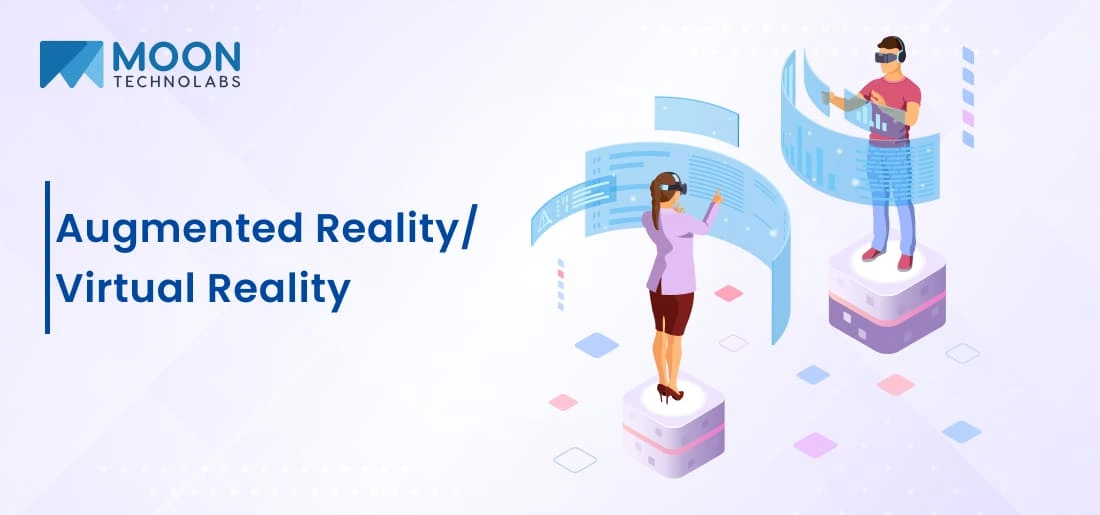
5G is equipped with all the tools to leverage AR\VR. 5G is functional in creating augmented reality to facilitate the user into an engaging and intuitive experience. Mobile app development trends like AR/VR have entered education, healthcare, tourism, and many other industries.
Suppose you are looking for a center table in IKEA. Using their AR\VR feature, you can see the table in your room. AR/VR is breaking into the market, with revenue of USD 31.12 billion in 2023, and is projected to grow at a CAGR of 13.27% to USD 52.05 billion by 2027.
Virtual reality is another technology that is reshaping mobile app development, especially in gaming apps.
With 5G connectivity and AR\VR in the picture, the next widely adopted mobile app trend is IoT. We are very familiar with the “Hey Siri” or “OK Google” commands nowadays. These technologies have transformed the entire electronic world and made it smarter. Hence, Smart Homes, Smartphones, and other Smart devices.
The stats say that a report on IoT market analysis by Global Data projects that in 2023, the IoT market will be worth $925.2 billion, and from 2023 to 2026, it is anticipated to rise at a CAGR of 13%.”
IoT is an umbrella term for the ecosystem of devices that interact with each other to enhance user convenience. This has been a very innovative transition in the mobile app development industry. It gives users automated control of IoT devices via mobile apps.
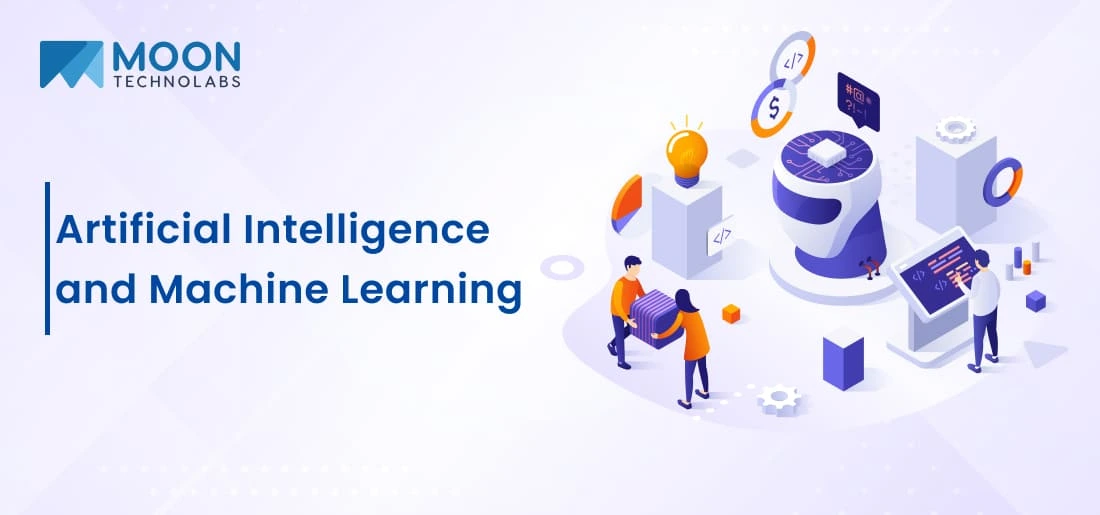
AI/ML integration in mobile apps or IT systems helps give tasks an intuitive, automated edge. The integration of AI/ML into mobile app development enhances the user experience and convenience.
It was a fanboy moment when “Jarvis, the AI” processed a new element for Iron Man in the movie. That was just a glimpse of what AI can accomplish. Intelligence is artificially created using machine language to process information, which helps humans solve problems and makes their lives more convenient.
According to Market Research Engine’s report on the AI market, the market for Artificial Intelligence will reach $190 billion by 2025, growing at a CAGR of 37%. Some of its top-rated, practical integrations include driverless cars, facial recognition, chatbots, and other such systems.
Chatbots are the finest example of Artificial Intelligence integration in mobile app development. Because chatbots are powered by AI, their responses are evolving and seem human-like. It is one of the factors that contribute to the growing trend of artificial intelligence.
Chatbots have advanced significantly over time. It’s evolving into a new touchstone for customer care. The worldwide chatbot market is estimated to reach USD 454.8 million by 2027, opening new avenues for AI and chat support.
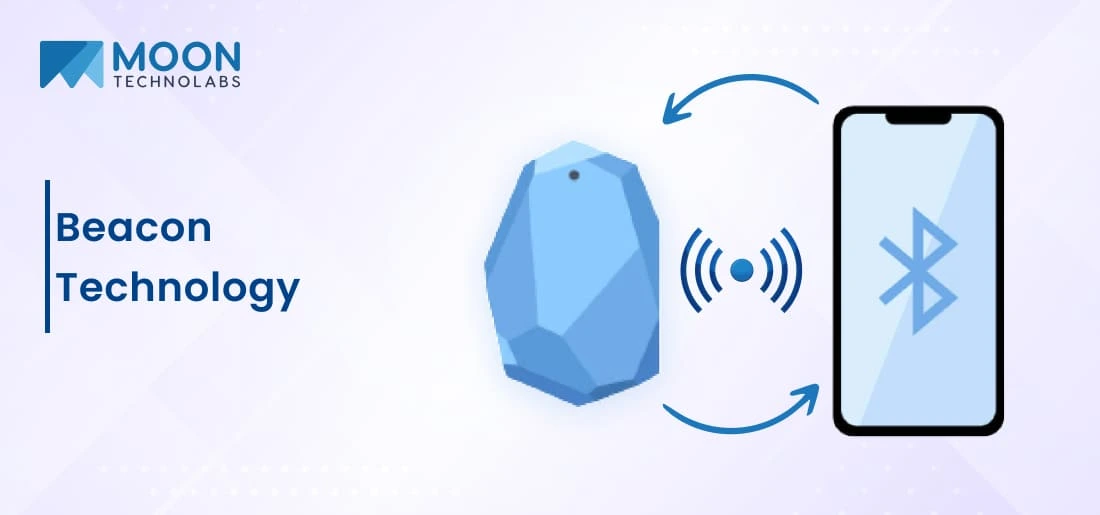
A recent advancement in mobile app development is beacon technology. It uses Bluetooth low energy to connect to nearby mobile devices and transmit signals. Mobile applications that use beacon technology provide the best services to nearby mobile devices.
The market for beacon technology is growing at a 59.8% rate, according to Statista data. Its estimated value will increase by US $56.6 billion by 2026.
To create apps for retail, healthcare, real estate, and other industries, mobile app development companies are quickly adopting this technology. By pairing beacon technology with mobile payments through mobile apps, you can put convenience in users’ hands.
The use of mobile payments has become an increasingly popular trend in mobile apps, especially during and after COVID. A report by Statista on the number of digital payments before COVID in 2018 is USD 620.9 billion, which drastically rises to USD 1157.3 billion in 2022 and is estimated to soar up to USD 2121.6 billion in 2026.
Users can pay for goods and services with their smartphones, tablets, or wearable devices through their mobile wallet apps. This technology lets you quickly and securely make payments without cash or cards.
Businesses may profit from this technology, as it enables them to work more productively and provide customers with a smooth experience. Mobile payments will become more popular, and by integrating them into your mobile app, you can leverage their benefits and deliver an effortless user experience.
Partner with us to create a mobile app with an integrated mobile payment feature, making your payments hassle-free.
Hire Mobile App Developers
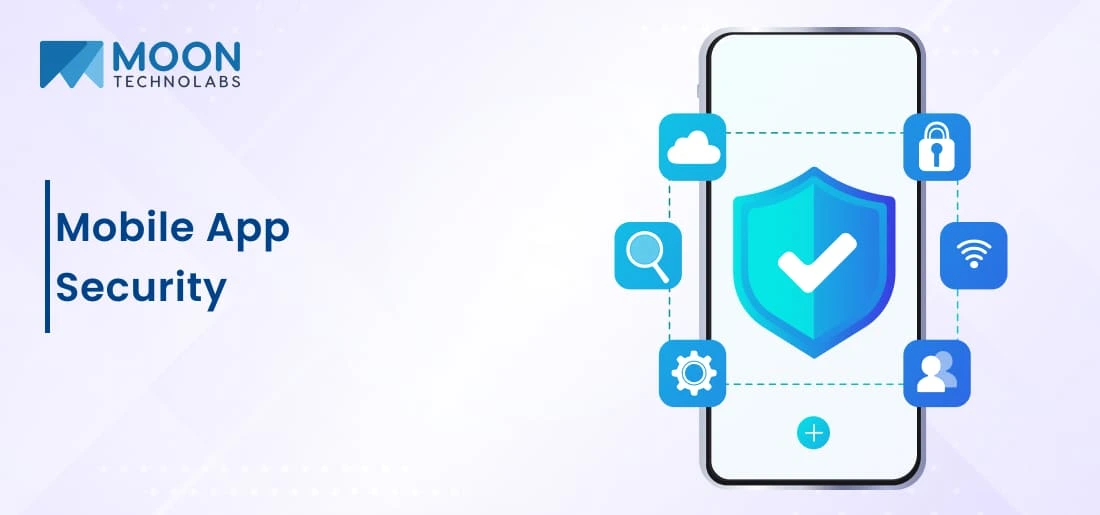
Mobile app developers need to have strong security measures in place to protect user data if they want to stay on the leading edge of the game. Everyone is at risk from cybercrime. Nobody is unaffected, not even a company or a content creator.
You cannot afford to take shortcuts during mobile app development when it comes to app security. 81% of mobile apps tested by Promon, an app-shielding company, had no defenses against attacks. Gaming apps are an easy target for intruders to offer bait. If you sell apps, then you understand that customers place a high priority on mobile app security.
Using cloud storage and cloud computing can enhance the functionality of mobile apps. Apps can execute complex tasks and save data in the cloud rather than on the user’s device. It is a cost-effective cloud development option for IT business.
One example of a cloud-based application is Dropbox, which is widely used among the tech community. With the increasing popularity of such apps, the cloud market is growing rapidly.
A report from MarketsandMarkets Research estimates the cloud computing market will grow at a 17.9% rate by 2027. If your company needs internal workforce apps or business apps, then this mobile app development trend is worth keeping an eye on.
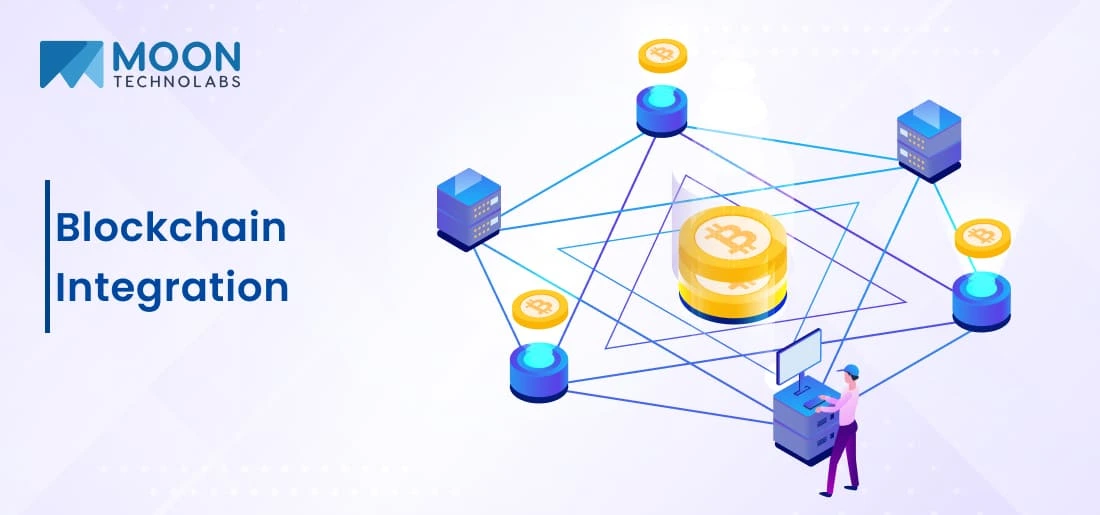
Blockchain revolutionized the world with its success in the crypto market. But its features, such as a decentralized architecture, data security, and more, can be game-changing for mobile apps. Blockchain is a distributed, transparent, secure digital balance sheet for all transactions.
With increased data security and transparency, transactions, data transfers, and information exchanges become secure processes.
Data from Fortune Business Insights shows that the global blockchain market will be worth $163.83 billion by 2029, growing at a CAGR of 56.3%. Digital payments and mobile wallets have also witnessed a sharp increase in use. Now is the best time to incorporate blockchain technology into mobile apps and take full advantage of its capabilities, especially post-COVID.
Before dipping your toe into the world of blockchain development solutions, you should be certain of the business requirements of your application because blockchain requires handling a lot of data.
To increase revenue, businesses are using mobile apps. They are a convenient way to manage payment use and organization. According to a report on retail m-commerce in the US, sales have reached USD 360 million+, with an estimated doubling to USD 710 billion by 2025.
E-commerce was a trend earlier, and now mobile commerce (m-commerce) is the new trend. It is imperative to have a mobile commerce app if you want to compete and lead in today’s tech-driven market. Every small or large business is either on Amazon or competing with it to stay in the game.
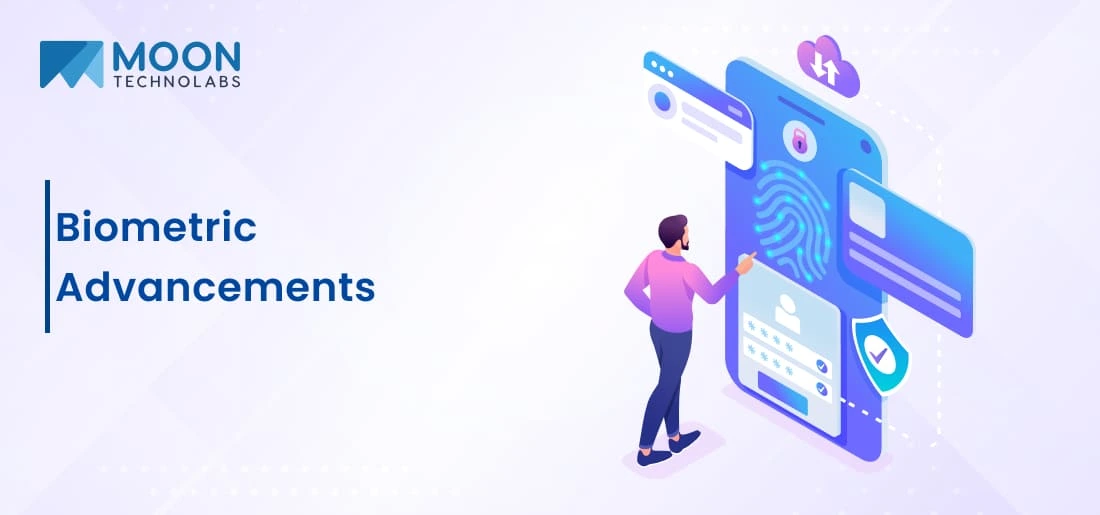
When Apple first introduced facial recognition on mobile phones, it marked the dawn of biometric advancements in mobile application development. Today, applications like TikTok, Snapchat, and Instagram have facial recognition features, and the filters based on them have become a trend in such entertainment apps.
Some biometric features that are also used widely in user authentication are:
According to an analysis by IndustryARC, the global mobile biometrics market, will increase at a CAGR of 20.2% between 2021 and 2026, reaching $75.3 billion.
It enhances personalization while adding a layer of security. Biometric recognition can use single-factor or multi-factor authentication to secure user data while improving the user experience.
Quantum computing uses all the conditions between 0’s and 1’s to give exceptional performance of mobile app using the superposition phenomenon. They implement “qubits” as the functional elements. Quantum technology uses quantum machines for mobile app development.
The quantum computing market was estimated at USD 10.13 billion in 2022 and is projected to reach USD 125 billion by 2030, with a CAGR of 368.90%, according to a quantum computing market size report.
Among many, one of the futuristic trends in mobile app development is connecting the human brain to technology. The next level of tech advancement is neural interfaces and brain-computer interfaces, which enable direct communication between the human brain and machines.
According to a report by Future Market Insights, the global BCI market is expected to reach US$ 1.8 billion in 2023. A growth rate of 13.6% is projected for the BCI market by 2033.
Some applications, such as mind-controlled mobile apps, Gaming and Entertainment apps, and Mental health apps, widely use neural interfaces and BCI for their benefits. Although the technology is still in early stages of development and application, it holds great potential for the mobile app industry.
Moon Technolabs helps you develop modern apps with advanced features like 5G, IoT, AR/VR, and secure payments.
Get Free Consultation
The mobile app landscape is now poised for innovation and transformation. Embracing these trends and technologies can give businesses a competitive edge. Despite the many apps in the market, only a few succeed because they address customers’ pain points. 5G is the new tech advancement that boosts a spectrum of trends like AR\VR, Chatbot support, Biometric authentication, and many others.
It is a wise decision to join hands with an experienced app development company to create apps that truly resonate with users in this rapidly evolving digital era. Creating an app that solves a problem or entertains users can reach great heights quickly. Collaborating with an app development agency can be the key to unlocking the full potential of these trends and bringing groundbreaking apps to life.
01
02
03
04
05

Jayanti Katariya is the CEO of Moon Technolabs, a fast-growing IT solutions provider, with 18+ years of experience in the industry. Passionate about developing creative apps from a young age, he pursued an engineering degree to further this interest. Under his leadership, Moon Technolabs has helped numerous brands establish their online presence and he has also launched an invoicing software that assists businesses to streamline their financial operations.


Submitting the form below will ensure a prompt response from us.
We refine our expertise to deliver innovative business solutions.





500 N Michigan Avenue, #600, Chicago IL 60611
13500 Long Is Dr, Pflugerville, TX 78660, USA

C-105, Ganesh Meridian, S.G. Highway, Ahmedabad, GJ 380060


Ayse D.
Co-Founder France
“ I highly recommend Moon Technolabs as the quality of service is wonderful. We have hired this company to develop the product based on some complex & technical issues. We get the best quality services as compared with others in the market. Huge Thanks to Moon Technolabs as the team is always ready to give the solution all time.”

Justin G.
Founder & CEO USA
USA“ Moon Technolabs is a pioneer in the WebRTC based project as they have fixed complicated segments of the module by fulfilling different product lines by providing 24X7 customer support. We really recommended Moon Technolabs as they are able to develop products as per the module deadline and project timeline.”

Flavio S.
Founder & Managing Director Germany
“I am happy to recommend Moon Technolabs for their app development services. They successfully developed apps for me, and I am highly satisfied with the overall outcomes. The development team has swiftly addressed the issues with responsive and effective communication to understand the requirement quickly and actively resolve the back-and-forth problems that arose...”

Jay M.
Founder & CEOUSA“Moon Technolabs is the best company that provides advanced apps and websites development services in the USA and Europe. I am a newbie to develop my app with an external team. I am really happy to work with them as I am not that much mobile apps user. Here, the team and specially the CEO of Moon Technolabs helps me to let me know about the benefits of my app to generate revenue....”


Our Offices
India
C-105, Ganesh Meridian, S.G. Highway, Ahmedabad, GJ 380060USA
500 N Michigan Avenue, #600, Chicago IL 60611Contact Information


