
Jayanti Katariya
Last Updated: March 10, 2026 Total Views: 489
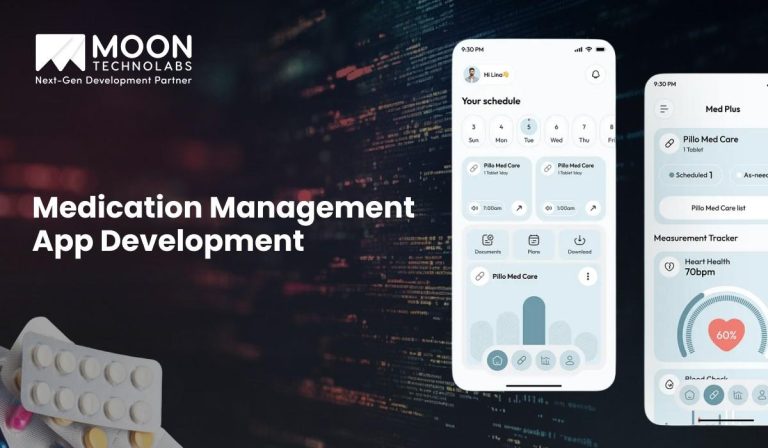
Table of Content


Blog Summary:
This blog provides detailed information on medication management app development, including steps, technology selection, and features to integrate. It also explains the benefits of developing this app for a healthcare organization. Continue reading throughout the entire blog to learn how to manage your next project successfully.
Table of Content
Medication management app development is the process of building a digital solution that helps patients, caregivers, and healthcare providers track, organize, and manage medications efficiently. With medical non-adherence causing 125,000 potentially preventable deaths in the US alone and costing over $500 billion globally each year, the demand for medication management apps has never been higher.
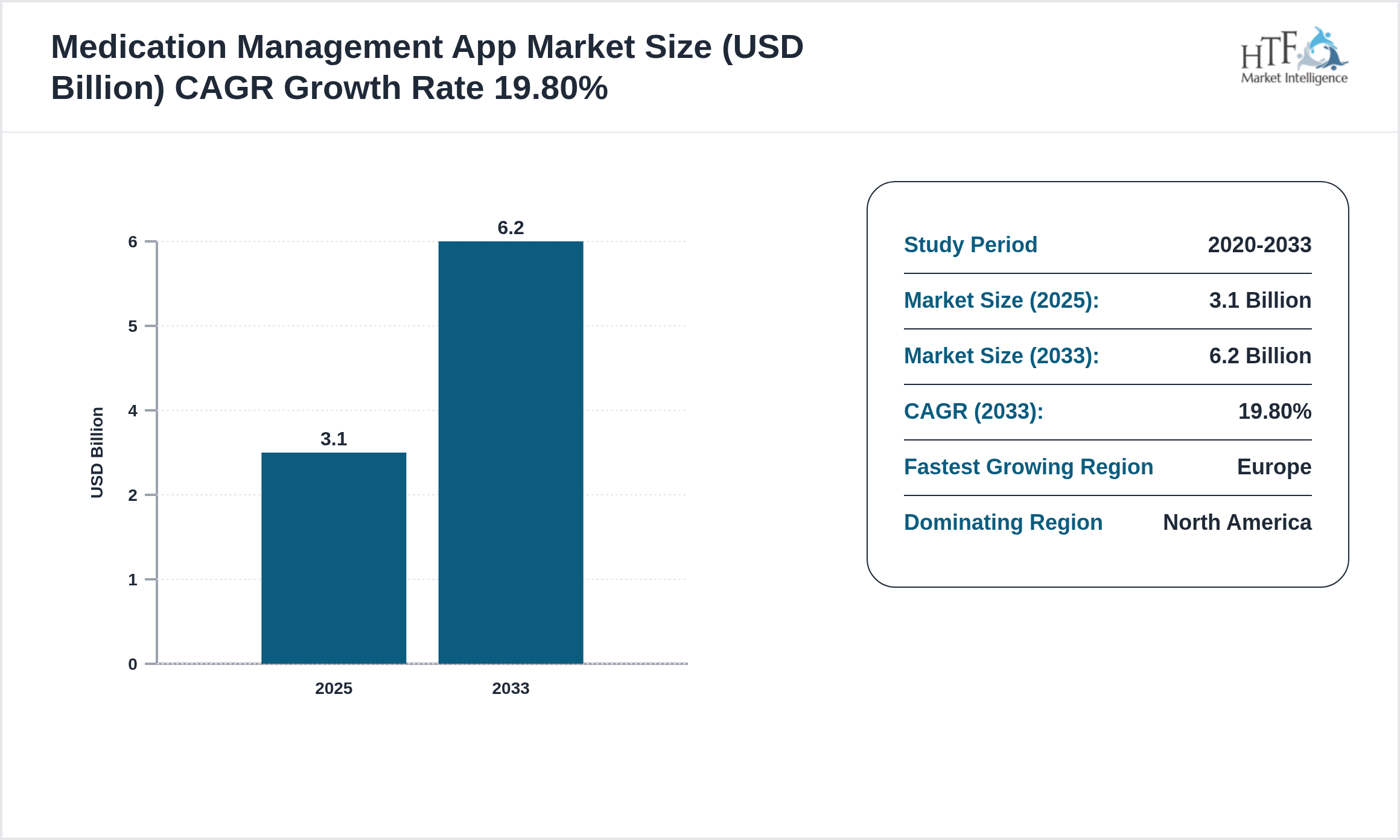
The global medication management app market is projected to reach $6.2 billion by 2033, up from $3.1 billion in 2025, growing at a CAGR of over 9%. This rapid growth reflects how quickly healthcare providers, pharmacies, and patients are adopting digital tools for better health outcomes.
Developing a medication app requires extensive research and planning, making it time-consuming. In this guide, we cover everything you need to know about medication management app development — from features and cost to benefits and market trends.
A medication management app is a software solution that serves everyone, whether patients, healthcare providers, or caregivers. The app helps users track, organize, and manage medications with minimal effort.
It sends timely reminders for refills, doses, and follow-ups, reducing the risk of missed doses. The app boasts features such as drug interaction alerts, dosage schedules, real-time notifications, prescription history, and more.
The major advantage of modern medication management apps is that they integrate easily with pharmacies, wearable devices, and electronic health records (EHR). These apps follow strict safety standards including HIPAA and GDPR compliance, improving patient safety and treatment outcomes.
Medication management apps come in various forms, each designed to address specific healthcare needs. Understanding the different types helps you decide which features to prioritize during development:
These are the most basic type of medication apps, focused on sending timely notifications for each dose. They allow users to set up medication schedules, customize alert sounds, and snooze reminders. Pill reminder apps are ideal for patients who need simple, no-frills reminders to stay on track with their prescriptions.
Tracking apps go beyond reminders by logging every dose taken or missed, providing a detailed medication history and adherence reports. Users can visualize their adherence patterns through charts and dashboards. This data can be shared with healthcare providers during consultations for more informed treatment decisions.
These apps focus on ensuring patients never run out of medication. They track prescription quantities, send proactive alerts when refills are due, and often integrate with local pharmacies to enable one-tap refill requests. Some advanced versions even support automatic recurring prescriptions.
Drug interaction apps are critical for patient safety. They cross-reference the user’s medication list against a comprehensive medical database to flag potential interactions, allergies, and contraindications. These apps are especially valuable for patients on multiple medications (polypharmacy), reducing the risk of adverse drug events.
Designed for patients with long-term conditions like diabetes, hypertension, or asthma, these apps combine medication tracking with health metric monitoring. They integrate with wearable devices to track blood pressure, blood glucose, heart rate, and more — providing a holistic view of the patient’s health alongside their medication adherence.
These apps serve as comprehensive drug databases, providing users with detailed information about medications — including dosage instructions, side effects, precautions, and storage guidelines. Some include pill identification features using image recognition and AI, allowing users to scan and identify medications instantly.
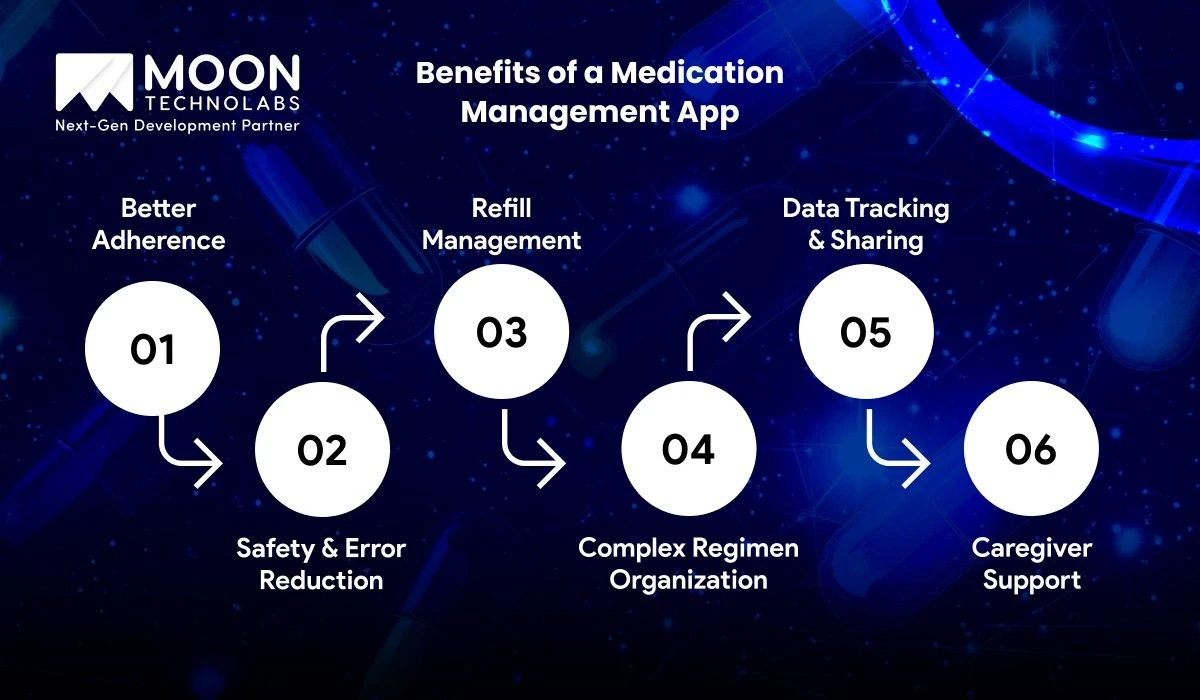
The benefit of using a medication management app is that it simplifies the process of taking, tracking, and analyzing medications. It also offers numerous other benefits, which are as follows:
Healthcare professionals often struggle to ensure that patients take medication at the correct dose and on time. A medication management app resolves this by sending alerts, automated reminders, and notifications for each dose. With consistent reminders, patients follow prescribed schedules more accurately, leading to improved outcomes and minimized hospital readmissions.
The app reduces the risk of medication errors by clearly highlighting dosage instructions, warnings, timings, and drug interaction alerts. Most solutions also flag possible drug allergies, helping users avoid dangerous combinations. This improved safety is essential, especially for elderly patients and those managing multiple prescriptions.
Running out of medication adversely affects treatment and patient health. The app tracks refill dates and alerts users in advance to ensure on-time refilling. Some apps integrate with pharmacies to enable automatic refill requests, saving time and preventing gaps in medication intake.
Patients who take different medications at different times face difficulties managing their schedules. A medication management app keeps all prescriptions in one spot, providing a clear snapshot of the entire regimen. This approach minimizes confusion and allows users to handle even complex medication schedules efficiently.
Medication management software stores detailed medication histories, usage patterns, and adherence trends. This data can be shared directly with pharmacists, doctors, and healthcare teams during consultations. Healthcare providers use this information to make informed decisions and develop personalized treatment plans.
The app is invaluable for family members and caregivers, providing remote monitoring alerts when dosages are missed. Caregivers can track adherence, support patients, and receive notifications even when not physically present. This feature offers peace of mind while helping patients stay on track with their treatment plans.
By improving medication adherence and reducing errors, these apps help lower healthcare costs significantly. Fewer missed doses mean fewer emergency visits, hospital readmissions, and complications — saving money for both patients and the healthcare system. Studies show that medication non-adherence costs the US healthcare system over $300 billion annually.
Our experienced development team helps you create a powerful software solution. Let’s turn your app idea into a scalable and compliant solution.
Medication management apps serve diverse real-world scenarios across healthcare. Here are the most impactful use cases driving adoption:
After surgery, patients are often prescribed multiple medications with specific timing requirements — pain relievers, antibiotics, blood thinners, and more. A medication management app ensures patients follow their post-operative medication plan precisely, reducing the risk of complications, infections, and hospital readmissions.
Patients with chronic diseases like diabetes, hypertension, COPD, or heart disease must take medications consistently, often for life. These apps combine medication reminders with health metric tracking — blood sugar levels, blood pressure readings, and more — providing both patients and doctors with a complete treatment picture.
Elderly patients often struggle with complex medication schedules and may forget doses. Caregivers and family members can use the app to remotely monitor medication adherence, receive missed-dose alerts, and coordinate with healthcare providers — all without needing to be physically present with the patient.
Patients taking 5 or more medications simultaneously (polypharmacy) face a high risk of adverse drug interactions. The app cross-references all medications against medical databases in real time, flagging potential interactions and alerting both the patient and their healthcare provider before a dangerous combination is taken.
In emergency situations, first responders and hospital staff need immediate access to a patient’s medication list, allergies, and medical history. Medication management apps can provide this critical information instantly through emergency access features, potentially saving lives when every second counts.
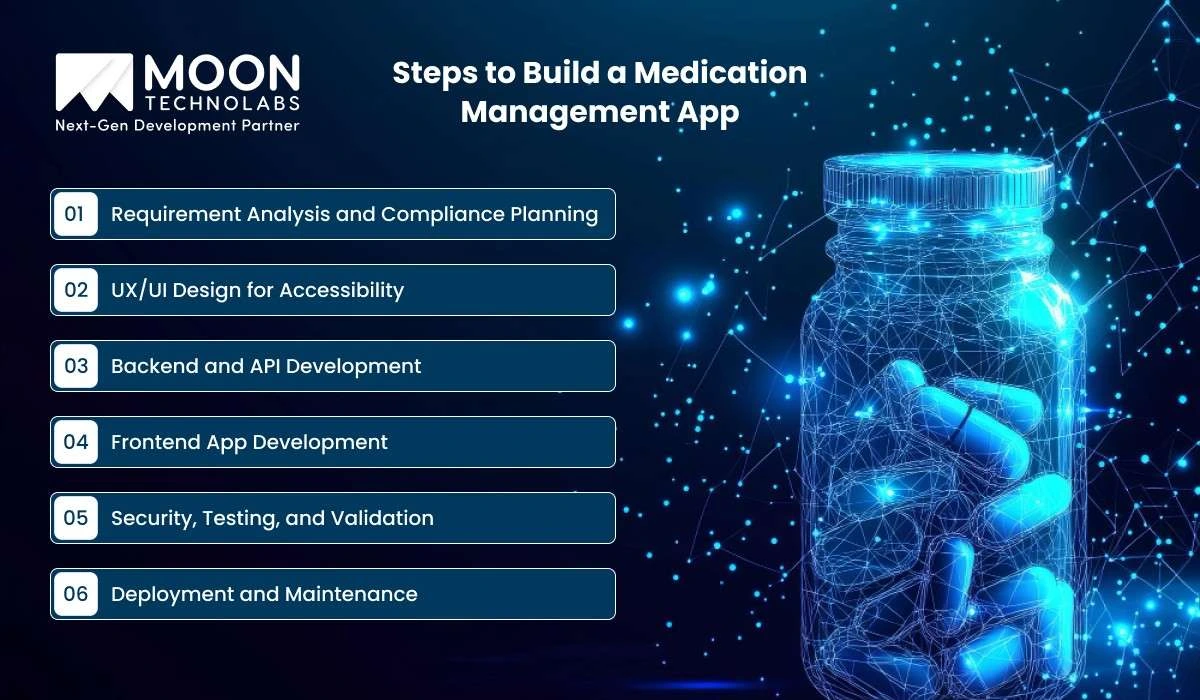
Building a successful medication management app requires a strategic, step-by-step approach. Here is how the development process works:
The first step is understanding who the app is for — caregivers, patients, healthcare providers, or pharmacies. Study the market, analyze real-world challenges, and review competitors’ offerings. Define the app’s target audience, major objectives, success metrics, and key features. Outlining a clear project scope ensures development stays aligned with business goals.
Since healthcare apps handle sensitive patient data, they must comply with regulations like HIPAA (US), GDPR (EU), and other regional healthcare laws. Work closely with your development team on data encryption, role-based access control, secure data storage, and audit trails. Building compliance into the foundation saves you from costly redesigns later.
Craft your medication app with elements that make it accessible to people of all ages — clear typography, intuitive navigation, simple workflows, and readable font sizes. Include high-contrast colors, voice reminders, screen reader support, and large buttons. A well-designed, accessible UI/UX directly affects adoption rates and long-term engagement.
Start with a minimum viable product (MVP) that includes only essential features — medication reminders, dosage tracking, and user profiles. This approach ensures fast time-to-market and early user feedback. After validating your MVP, progressively add advanced features such as AI analytics, EHR integration, and caregiver dashboards.
Choosing the right technology stack is critical for building a robust medication app. For cross-platform development, consider React Native or Flutter. For backend, use Node.js or Python/Django with PostgreSQL or MongoDB databases. Deploy on cloud infrastructure (AWS, Azure, or GCP) for scalability and HIPAA-compliant hosting.
Rigorous testing ensures consistent performance and data security. Conduct performance, usability, functional, and compliance tests across devices and platforms. After deployment, track app performance regularly — fix bugs, release updates, and improve features in response to regulatory changes and user feedback.
A well-built medication management app should include both essential MVP features and advanced capabilities. Here is a comprehensive list of features to consider:
Integrate a simple yet secure user registration process with email, phone, and secure authentication methods. Users can store personal details like medical conditions, age, notification preferences, and allergies. The app should also allow linking family members’ or caregivers’ profiles for shared access while ensuring data privacy.
Users can plan medication schedules by adding dosage, drug names, timing, and frequency. The app should support timely reminders via SMS, push notifications, in-app alerts, and voice prompts. Flexible scheduling is crucial for medications with varied intake times or complex routines.
This feature maintains accurate medication history and a complete adherence record. If a dose is missed, the app triggers an alert and provides guidance based on the doctor’s instructions and predefined rules. Visual dashboards show adherence patterns over time.
Allow users to upload prescriptions in document or image format, eliminating manual data entry. The app stores and manages digital copies in one place. Advanced versions can include optical character recognition (OCR) to automatically extract medication details from prescriptions.
The app checks for potential drug allergies, interactions, duplicate medications, and contraindications based on user input. If any risk is detected, it sends an immediate warning with a recommendation to consult a healthcare provider. This feature minimizes the risk of adverse drug events.
Track refill timelines and send advance notifications. Integration with nearby pharmacies enables one-tap refill requests, adding convenience and ensuring continuity of care. Advanced versions support automated recurring refill requests.
Leverage artificial intelligence to personalize medication reminders based on user behavior, adherence patterns, and health data. AI can predict non-adherence risks, adjust reminder timing, identify potential side effects early, and provide actionable health insights to both patients and providers.
Integration with wearable devices like Apple Health, Google Fit, Fitbit, and smartwatches expands data collection capabilities. The app can monitor health metrics such as blood pressure, blood glucose, heart rate, and oxygen levels — providing a holistic health view alongside medication adherence data.
Built-in telehealth integration enables virtual consultations directly within the app. Patients can share medication reports, discuss side effects, and get prescription adjustments without visiting a clinic. Secure messaging allows ongoing communication between patients and healthcare providers.
Support for multiple languages, dark mode, adjustable text sizes, voice commands, and screen reader compatibility ensures the app is accessible to a diverse user base. These features are essential for elderly patients and users with visual or motor impairments.
We develop a medication app that can track prescriptions, offer real-time reminders, and provide HIPAA-compliant data security. We create a solution that delivers impact.
The cost of developing a medication management app varies based on complexity, features, platform, compliance requirements, and the development team’s location. Here is a detailed breakdown to help you budget effectively:
| App Type | Cost Range | Timeline | Features Included |
|---|---|---|---|
| Basic/MVP | $5,000 to $40,000 | 4 to 8 weeks | Reminders, dosage tracking, user profiles, basic notifications |
| Mid-Range | $40,000 to $120,000 | 3 to 6 months | Cloud sync, caregiver portal, pharmacy integration, analytics dashboard |
| Advanced/Enterprise | $120,000 to $300,000+ | 6 to 12 months | AI analytics, EHR/EMR integration, telehealth, wearable sync, full compliance |
Several factors influence the total cost of your medication management app:
| Cost Component | MVP | Full-Featured App |
|---|---|---|
| UI/UX Design | $3,000 to $8,000 | $10,000 to $25,000 |
| Frontend Development | $5,000 to $15,000 | $25,000 to $80,000 |
| Backend & API Development | $8,000 to $20,000 | $30,000 to $100,000 |
| Compliance & Security | $3,000 to $8,000 | $15,000 to $50,000 |
| Testing & QA | $2,000 to $5,000 | $10,000 to $30,000 |
| Annual Maintenance | $2,000 to $5,000/yr | $10,000 to $30,000/yr |
Before you move ahead with medication management app development, consider these critical factors that affect compliance, user trust, and long-term success:
Medication management apps handle sensitive health data, making regulatory compliance non-negotiable. The app must adhere to HIPAA for the US market and GDPR for European users, including data encryption, secure storage, role-based access control, audit trails, and clear consent management. Non-compliance can result in severe legal penalties and loss of user trust.
Many patients, especially elderly adults and those with chronic conditions, need an app that is simple and intuitive. Use readable fonts, simple navigation, accessible colors, large buttons, voice reminders, and fewer input steps. A user-friendly, accessible design directly influences adoption rates and long-term engagement.
A wrong dosage, missed reminder, or undetected drug interaction can harm a patient’s health. Build the app with reliable core features — dosage tracking, medication scheduling, drug interaction checks, and safety alerts. Ensure that data is validated, synced, and updated in real time to earn trust among caregivers, patients, and healthcare professionals.
The medication management app space is evolving rapidly with new technologies and shifting user expectations. Here are the key trends shaping the market in 2026 and beyond:
Apps are leveraging machine learning and AI to tailor medication schedules, predict adherence risks, and provide personalized health insights based on individual health data. AI-powered chatbots and virtual assistants are also being integrated for real-time patient support and symptom assessment.
IoT-enabled smart pill bottles, blister packs, and dispensers are being integrated with medication apps to track pill consumption in real time. These devices provide more accurate adherence data than manual logging, reducing human error and improving treatment outcomes.
With the rise of voice assistants like Alexa, Google Assistant, and Siri, medication apps are adding voice-enabled features. Users — especially elderly patients or those with visual impairments — can manage their medications hands-free using voice commands for reminders, logging doses, and accessing medication information.
Medication management apps are increasingly syncing with wearable devices, health apps, EHR/EMR systems, pharmacy platforms, and telehealth services to create a unified, seamless healthcare experience. This cross-platform integration enables holistic patient monitoring and data-driven treatment decisions.
The convergence of telemedicine and medication management is creating comprehensive healthcare platforms. Patients can consult doctors, receive prescription adjustments, and track medication adherence — all within a single app, eliminating the need for separate tools.
To develop your medication management app, you need a professional app development company with healthcare domain expertise. They bring technical proficiency, regulatory awareness, and industry experience. Here is how they can help:
A reliable medicine app development company crafts a customized medication management software tailored to match your business model and target users. With custom app development, you can integrate features specific to your requirements — whether building a caregiver platform, patient-centered app, or pharmacy-integrated solution.
A professional development partner builds applications with compliance at the core — ensuring adherence to HIPAA, GDPR, and other regional healthcare regulations. This includes encrypted communication, secure data handling, audit trails, role-based access control, and regular security audits.
With a trusted medication management app development company, you get secure remote monitoring features that allow caregivers to receive missed-dose alerts, track medication adherence, access medication histories, and coordinate with healthcare providers — all from a single dashboard.
A responsible development partner provides continuous support after launch — performance monitoring, security updates, bug fixes, and feature upgrades. They keep your app relevant as technology advances, user behavior changes, and regulations evolve.
Medication management app development is a strategic investment that addresses a critical healthcare need — improving medication adherence, reducing errors, and saving lives. With the market projected to reach $6.2 billion by 2033, building a medication management app is both a timely and impactful decision.
To build a powerful and reliable app, you need to implement a combination of core features, a user-friendly accessible design, strict regulatory compliance, and advanced technologies like AI and IoT. Partner with a leading medication management app development company like Moon Technolabs to make your project successful.
01
02
03
04
05

Jayanti Katariya is the CEO of Moon Technolabs, a fast-growing IT solutions provider, with 18+ years of experience in the industry. Passionate about developing creative apps from a young age, he pursued an engineering degree to further this interest. Under his leadership, Moon Technolabs has helped numerous brands establish their online presence and he has also launched an invoicing software that assists businesses to streamline their financial operations.


Submitting the form below will ensure a prompt response from us.
We refine our expertise to deliver innovative business solutions.





205 N Michigan Avenue, #810, Chicago, 60601, Illinois, United States
13500 Long Is Dr, Pflugerville, TX 78660, USA

C/105 Ganesh Meridian, S.G. Highway, Ahmedabad, GJ 380060


Ayse D.
Co-Founder France
“ I highly recommend Moon Technolabs as the quality of service is wonderful. We have hired this company to develop the product based on some complex & technical issues. We get the best quality services as compared with others in the market. Huge Thanks to Moon Technolabs as the team is always ready to give the solution all time.”

Justin G.
Founder & CEO USA
USA“ Moon Technolabs is a pioneer in the WebRTC based project as they have fixed complicated segments of the module by fulfilling different product lines by providing 24X7 customer support. We really recommended Moon Technolabs as they are able to develop products as per the module deadline and project timeline.”

Flavio S.
Founder & Managing Director Germany
“I am happy to recommend Moon Technolabs for their app development services. They successfully developed apps for me, and I am highly satisfied with the overall outcomes. The development team has swiftly addressed the issues with responsive and effective communication to understand the requirement quickly and actively resolve the back-and-forth problems that arose...”

Jay M.
Founder & CEOUSA“Moon Technolabs is the best company that provides advanced apps and websites development services in the USA and Europe. I am a newbie to develop my app with an external team. I am really happy to work with them as I am not that much mobile apps user. Here, the team and specially the CEO of Moon Technolabs helps me to let me know about the benefits of my app to generate revenue....”


Our Offices
India
C/105 Ganesh Meridian,S.G. Highway, Ahmedabad, GJ 380060USA
205 N Michigan Avenue, #810, Chicago, 60601, Illinois, United StatesContact Information


