
Jayanti Katariya
Last Updated: January 02, 2026 Total Views: 8211
Table of Content


Blog Summary:
The metaverse is a rapidly expanding digital universe offering immersive experiences across industries like gaming, education, business, and social connections. This blog explores the concept, use cases, top development tools, and best practices shaping the future of metaverse technology.
Table of Content
The world of the Metaverse is rapidly expanding, offering exciting opportunities to create immersive and engaging virtual worlds. However, creating a full-fledged metaverse universe requires extensive technological and skill sets, including VR, blockchain, game design, and 3D modeling.
Metaverse maintains and develops virtual worlds of computer programs. In other words, the metaverse is a digital environment where users can interact with virtual environments, other users, and other objects in real time. Already intrigued? Let us dig deeper to understand the concept and the top metaverse development tools and technologies.
Metaverse Technology is a 3D virtual universe that mimics and recreates the aspects of the real physical world. It also allows users to interact and communicate in the digital world. Tech giants like Microsoft and Meta are developing solutions to replicate users’ lives in the online world.
According to a McKinsey report, venture capitalists and corporations have already invested $120 million in metaverse technologies from January to May 2022. It will help develop new metaverse tech and use cases.
Already, many new developer tools have been designed and introduced to offer an immersive experience for users. It is estimated that by 2026, 25% of online users will spend at least 1 hour a day in the metaverse for various activities.
Metaverse offers a wide range of applications across sectors and thus includes some of the best use cases, as shown below –
The gaming and entertainment industry is the core investor in the metaverse, following augmented and virtual reality, enabling users to communicate with other players in a single interoperable environment.
Renowned games like Sorare, The Sandbox, and Axie Infinity are based on metaverse technology. The games allow users to play and earn cryptocurrency to meet the economic criteria. The architecture is compatible with the in-built NFT assets for specified permanent ownership.
VR, in combination with the metaverse tools, has taken the learning experience to another level. Students can now experience live experiments and high-quality and intensive knowledge resources with ease.
Metaverse also removes language barriers, allowing students from across the globe to gain insights within a specified virtual space. Mesh by Microsoft is a platform where staff, students, and faculty can communicate with one another with their 3D avatars.
The metaverse is offering numerous business opportunities by elevating advertising through storytelling and 3D technology. It also assists businesses in entering and conducting any event digitally. Any brand can communicate with its audience in the business context through the metaverse, regardless of geographical barriers. Metaverse technology also offers digital wallets for regular, seamless transactions in the virtual world.
In the metaverse, people from around the world can forge deep social connections, transcending physical boundaries to create a global network of friendships and relationships. Through shared virtual experiences and collaborative environments, the metaverse empowers individuals to connect, communicate, and build meaningful social bonds like never before.
Despite the Metaverse still being in the development phase, there are already numerous top metaverse development tools that you can use for your future projects. It is now time to look at the top tools for metaverse development and see how they can help you develop the required solution.
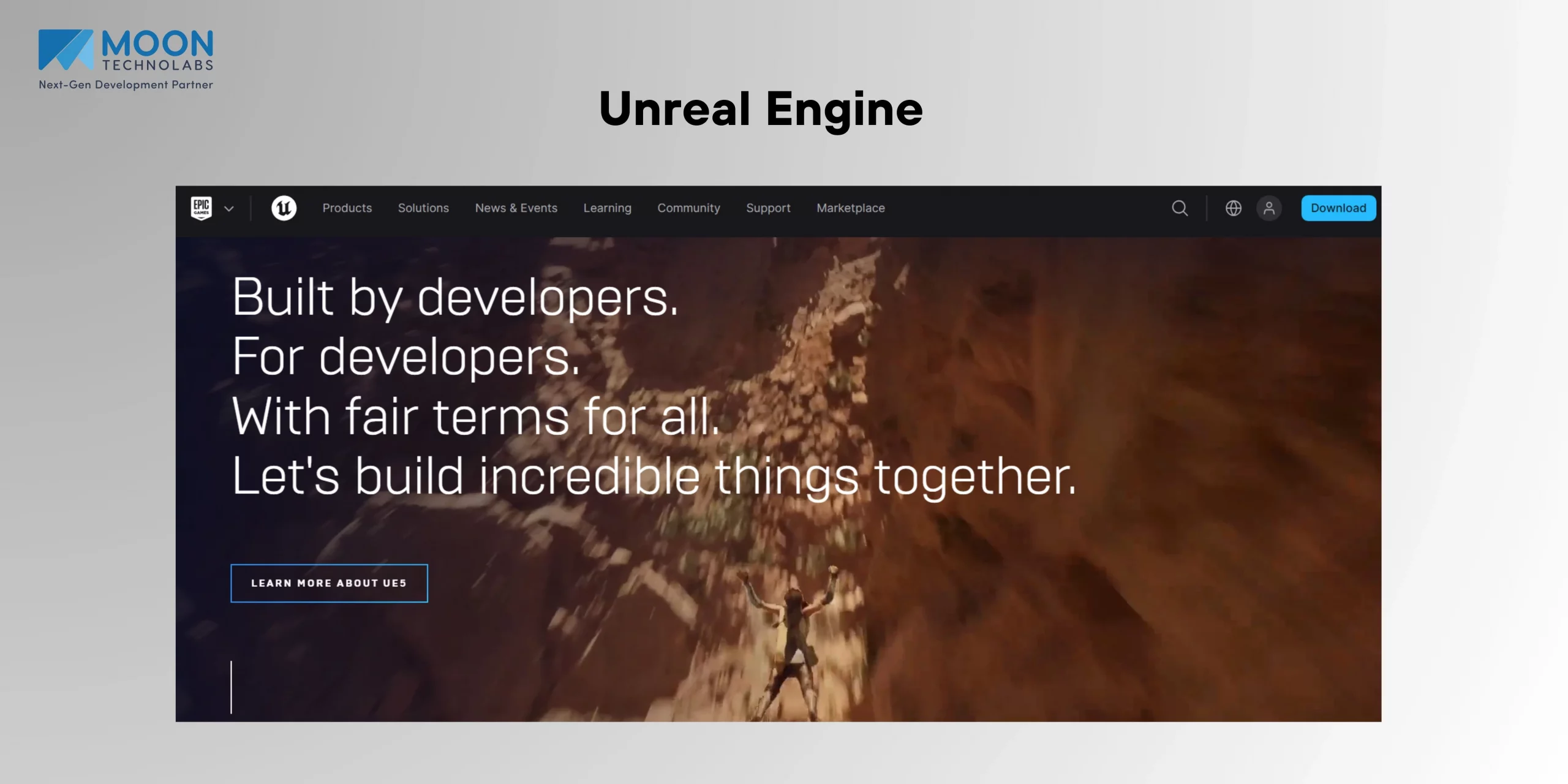
Unreal Engine is a 3D computer graphics series game engine. Epic Games created it and has recently launched the Unreal Engine 5 version in April 2022. It supports all current systems and next-generation consoles, including Xbox Series X/S and PlayStation 5.
Nanite is its major feature, which imports highly detailed photographic source materials into the games. Lumen is another feature offering a global illumination system that immediately reacts to light and scene changes.
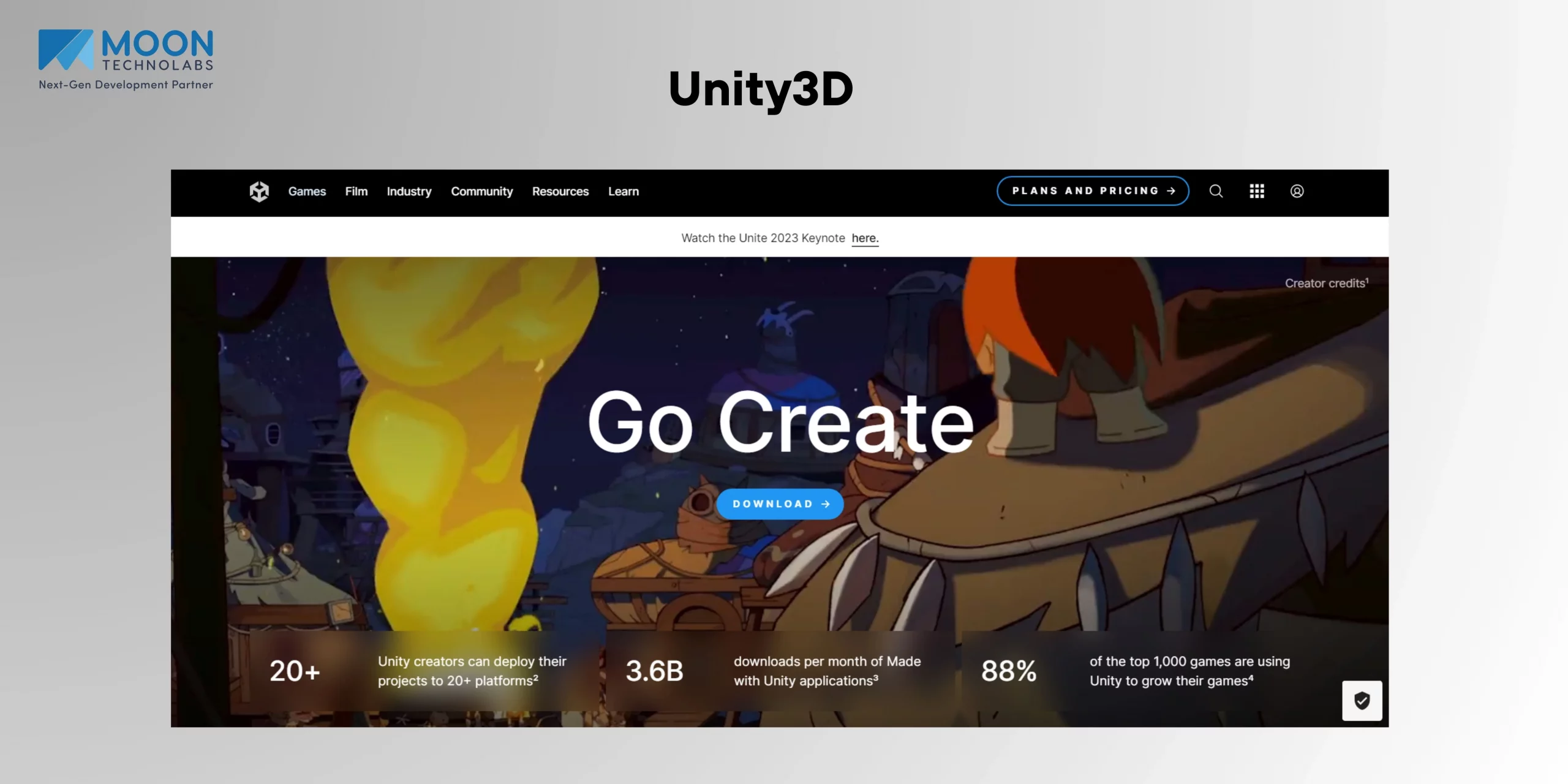
The primary features of Unity3D include real-time color grading, world-building, real-time graphics rendering, performance reporting, and operations analytics. Unity3D comes with 2 new tools: Timeline, which allows drag-and-drop animations in the game, and Cinemachine, a smart camera system.
The main objective of Unity3D is to enhance productivity by reducing the time required to import files and enter play mode. It also helps to implement multiselection in the packaging manager and visual search queries.
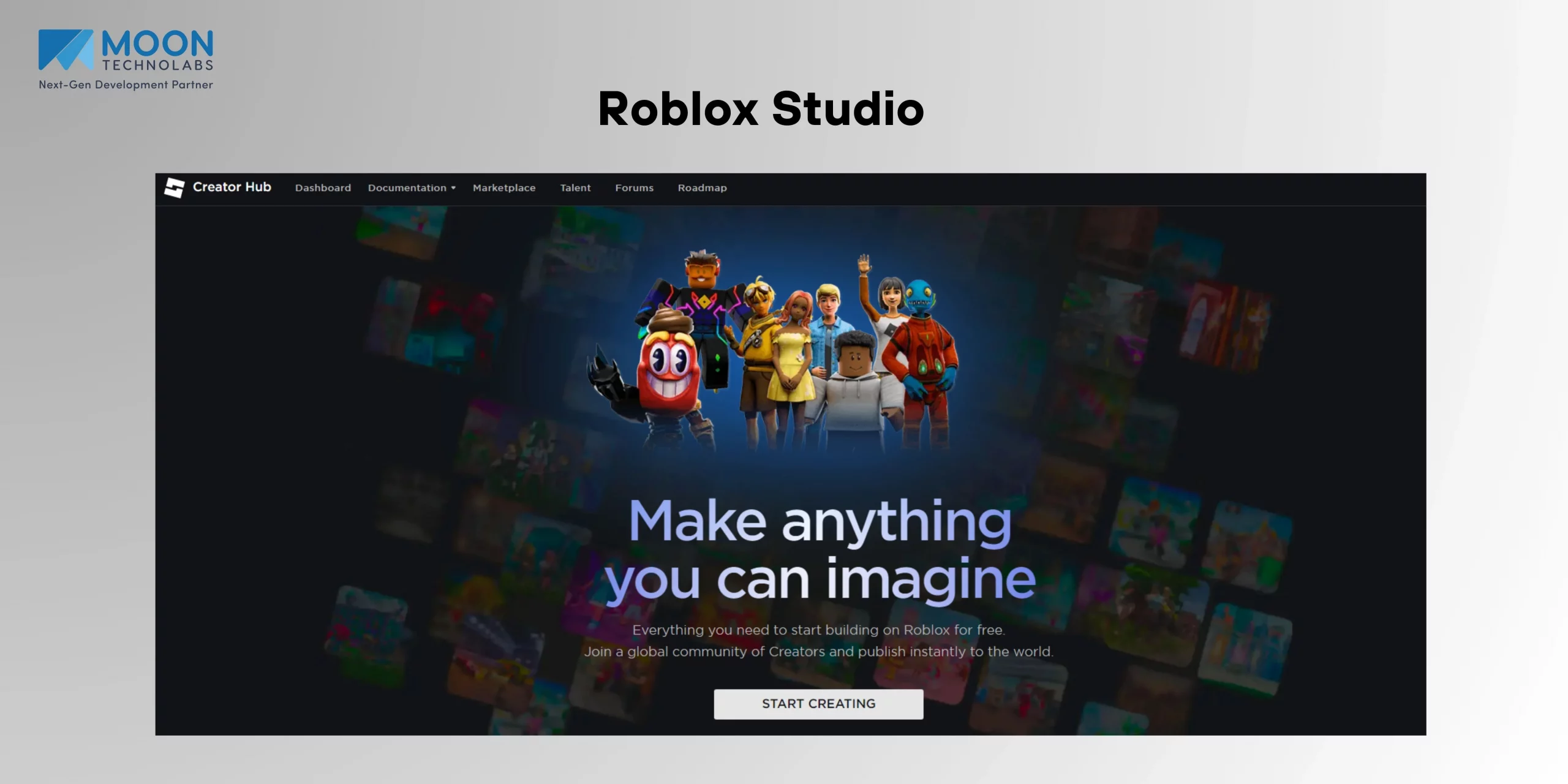
Roblox Studio is a metaverse creation and construction tool for building and designing any gaming or virtual world experience. These are intended for platforms that do not require prior programming knowledge. You can create a complex role-playing or simulation game in Roblox Studio with ease.
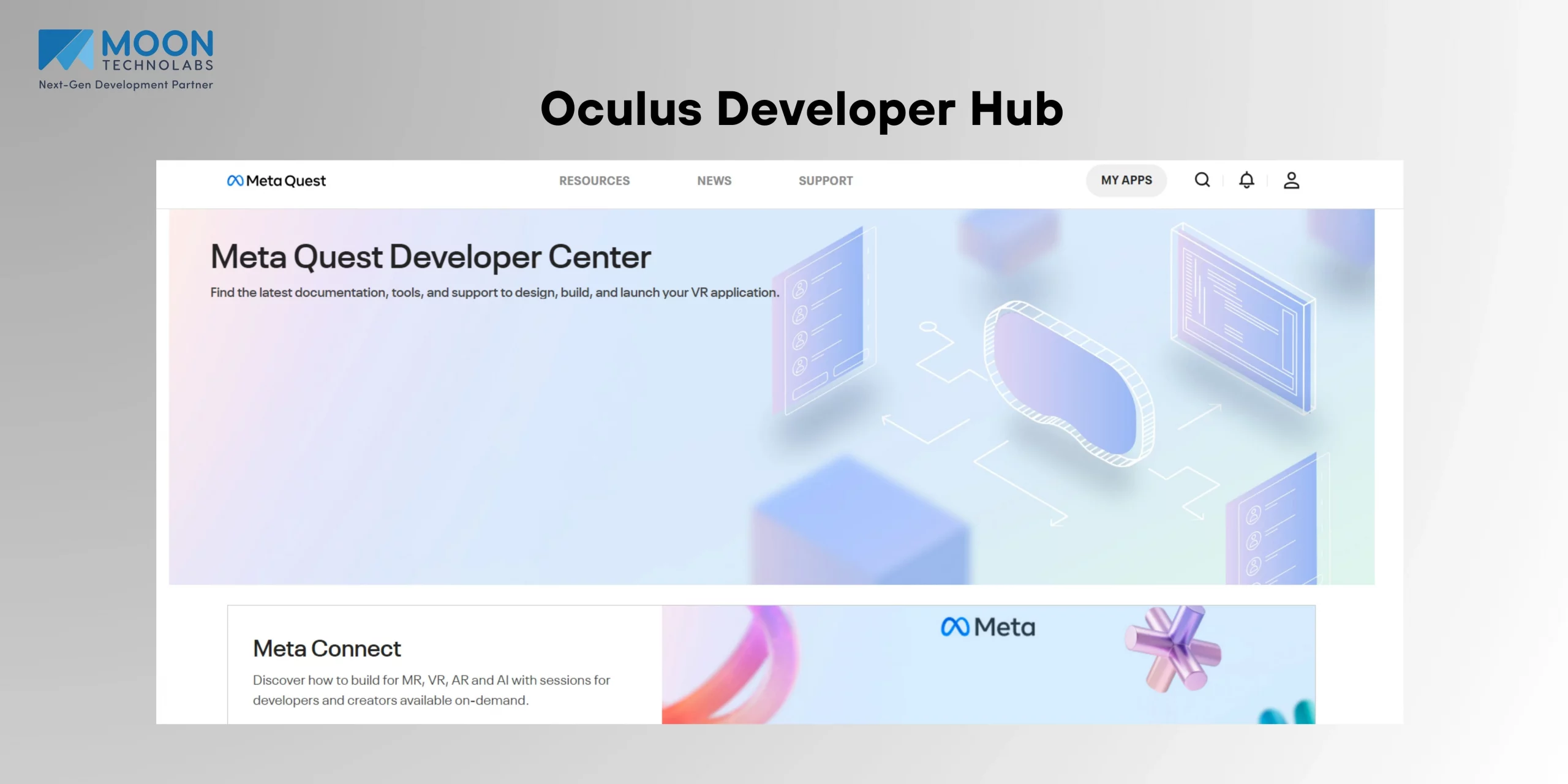
ODH, or Oculus Developer Hub, is now addressed as MQDH or Meta Quest Developer Hub. It helps you accelerate iteration development time and measure app performance. ODH underwent a UI redesign that offers a compact layout style to free up more screens for the workflow.
You can also manage files in the recorded metrics, videos, images, and on-device apps. The company has expanded and redesigned the performance analyzer tab, combining Logcat output into a single view.
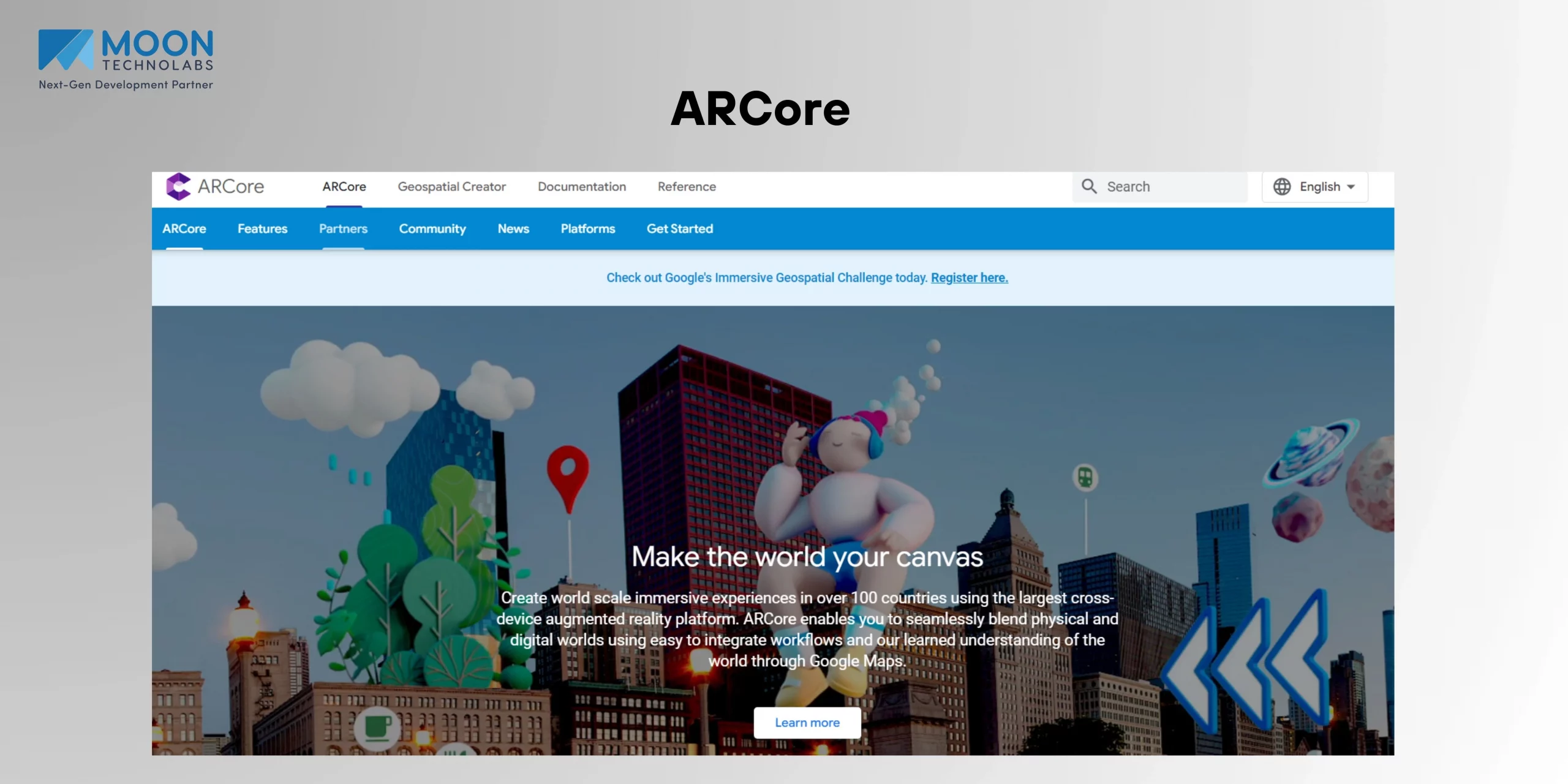
Google Play Services for AR, or ARCore, is a software development kit from Google. It allows the user to build AR applications. It implements 3 technologies for integrating virtual content with the real world with a smartphone or tablet camera.
Environmental understanding detects the location and size of the phone’s flat horizontal surfaces. Light estimation enables the phone to assess the current lighting conditions in its surroundings.
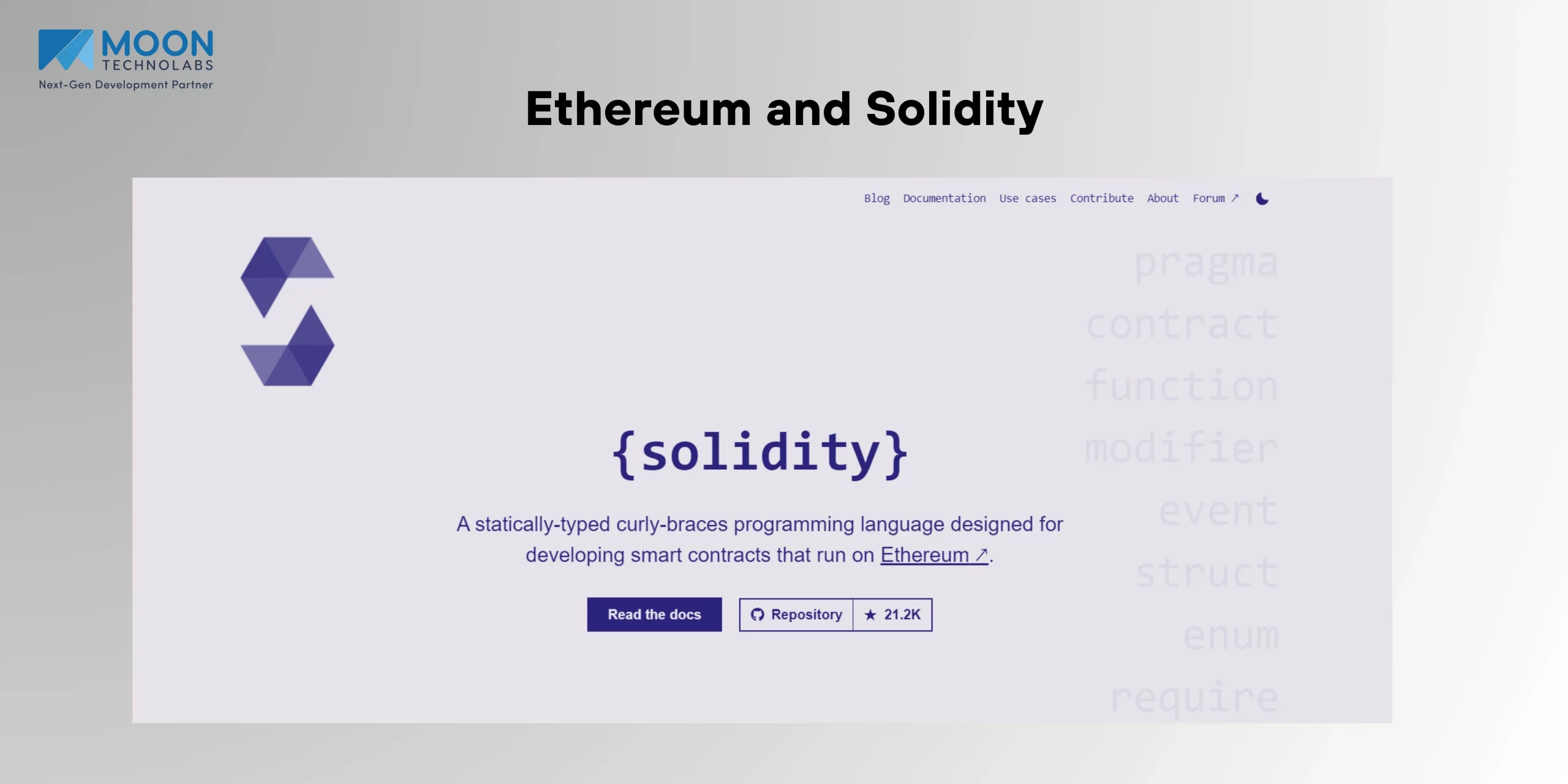
Ethereum is a cryptocurrency that has surpassed Bitcoin in popularity, value, and performance. It helps developers to build development services and create applications for transferring money from one user to another.
Solidity, on the other hand, is a programming language for penning down smart contracts. You can simulate a crowdfunding campaign, a loan, a lottery, or any other financial instrument with Solidity.
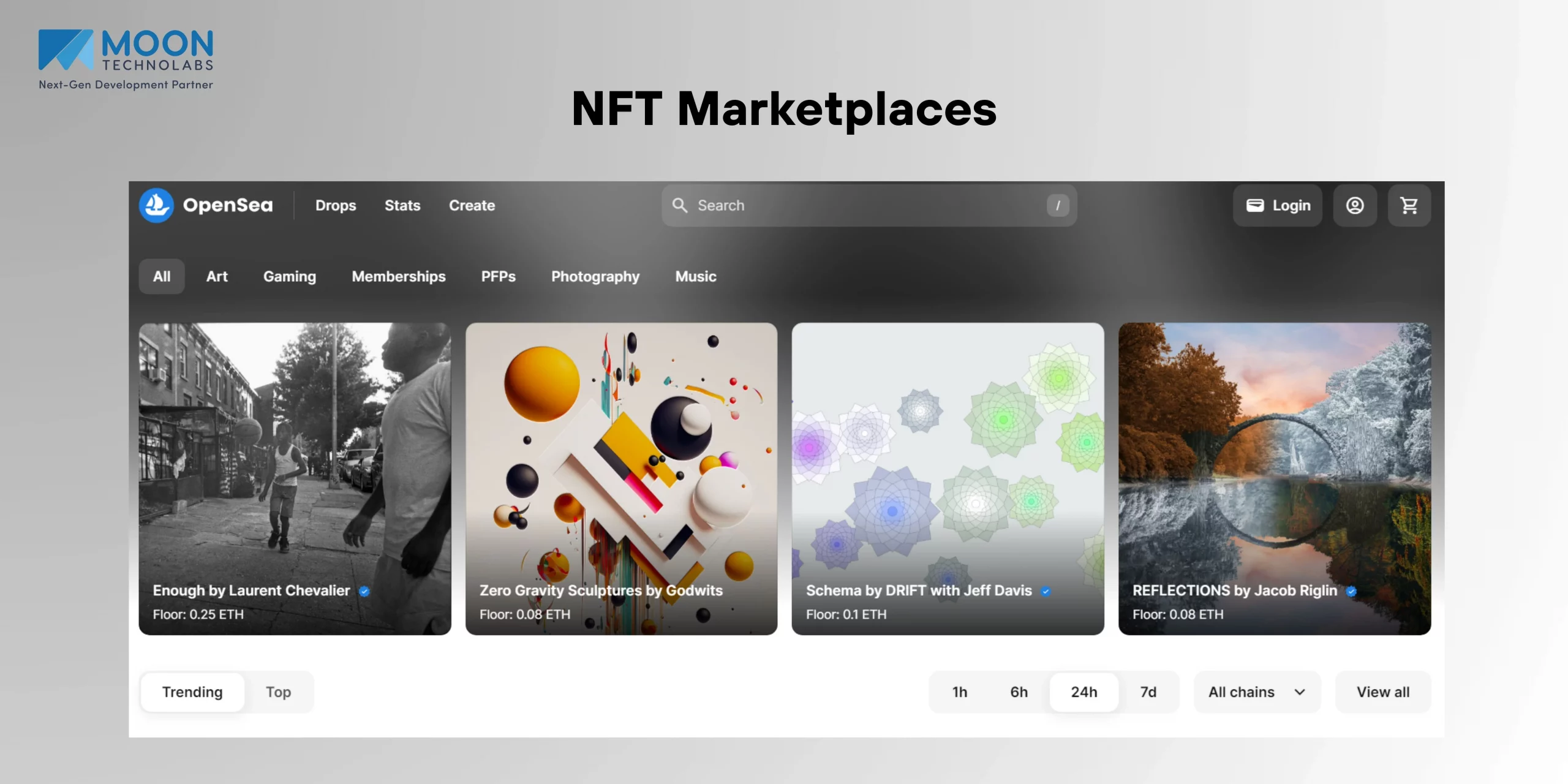
NFT (Non-Fungible Token) marketplaces enable developers to tokenize their digital artwork and sell it on those platforms. It helps set rates, quickly and easily tokenize, and sell them across different NFT marketplaces. It offers transparent, fair systems for artists and collectors to trade these digital products securely.
This Metaverse technology enables users to manage, create, and monetize NFTs. It provides resources and tools for users to create and launch their marketplace and NFTs for buying & selling. It offers features such as royalty distribution, analytics, and more to maximize artists’ earnings and track their NFTs’ performance.
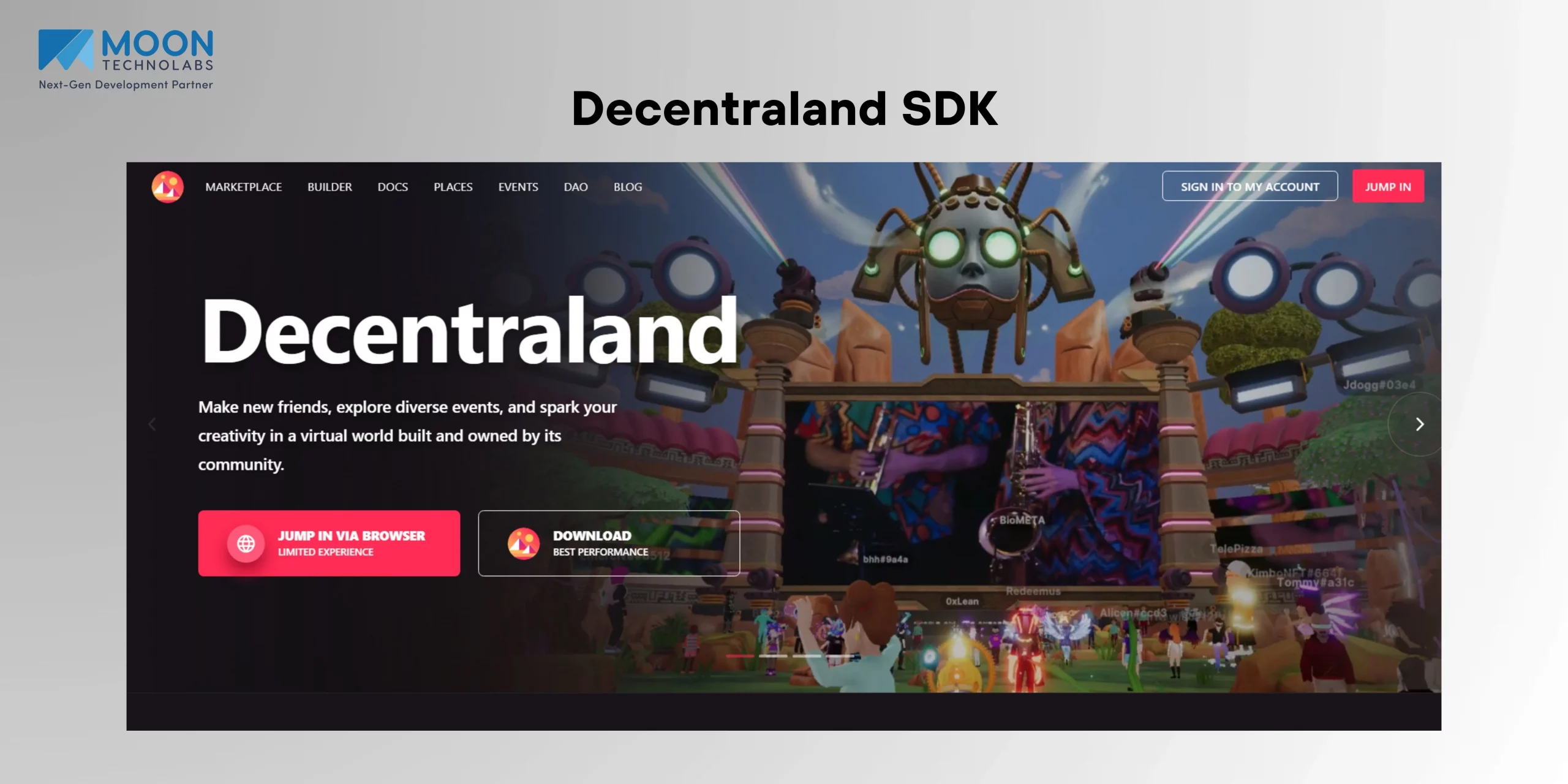
Decentraland is a 3D virtual reality-based Ethereum platform for the metaverse owned by the users. Developers can create marketplaces, applications, and environments using 3 tokens: LAND, MANA, and Estate. You can create your virtual world and control its surroundings through a DAO (Decentralized Autonomous Organization).
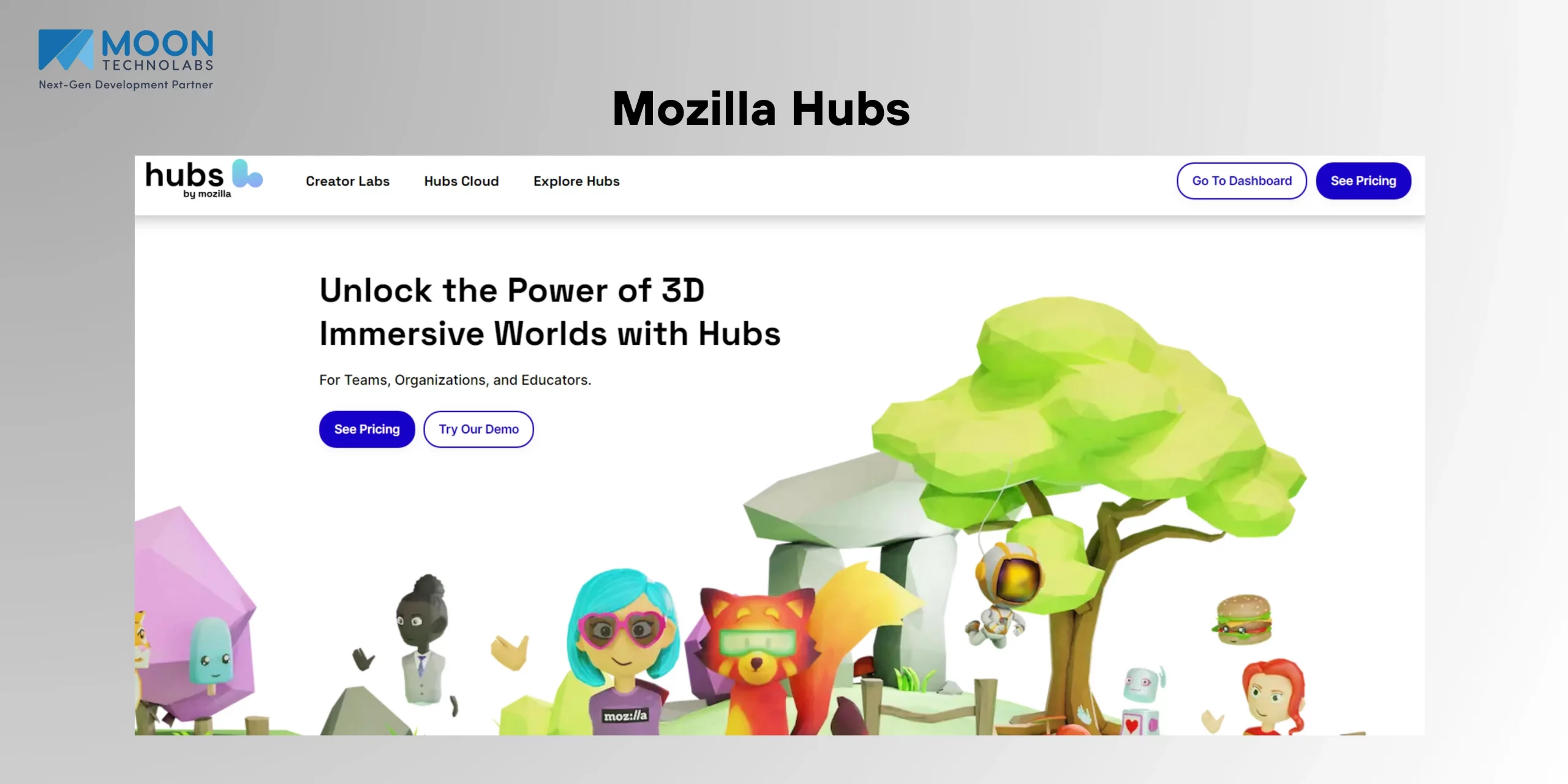
Mozilla Hubs is a virtual reality chat room available in every browser and on every headset. It is also an open-source project exploring how communication in mixed reality can become real. With Mozilla Hubs, you can create a single room with a single click. Users can come together and interact in this social online space.
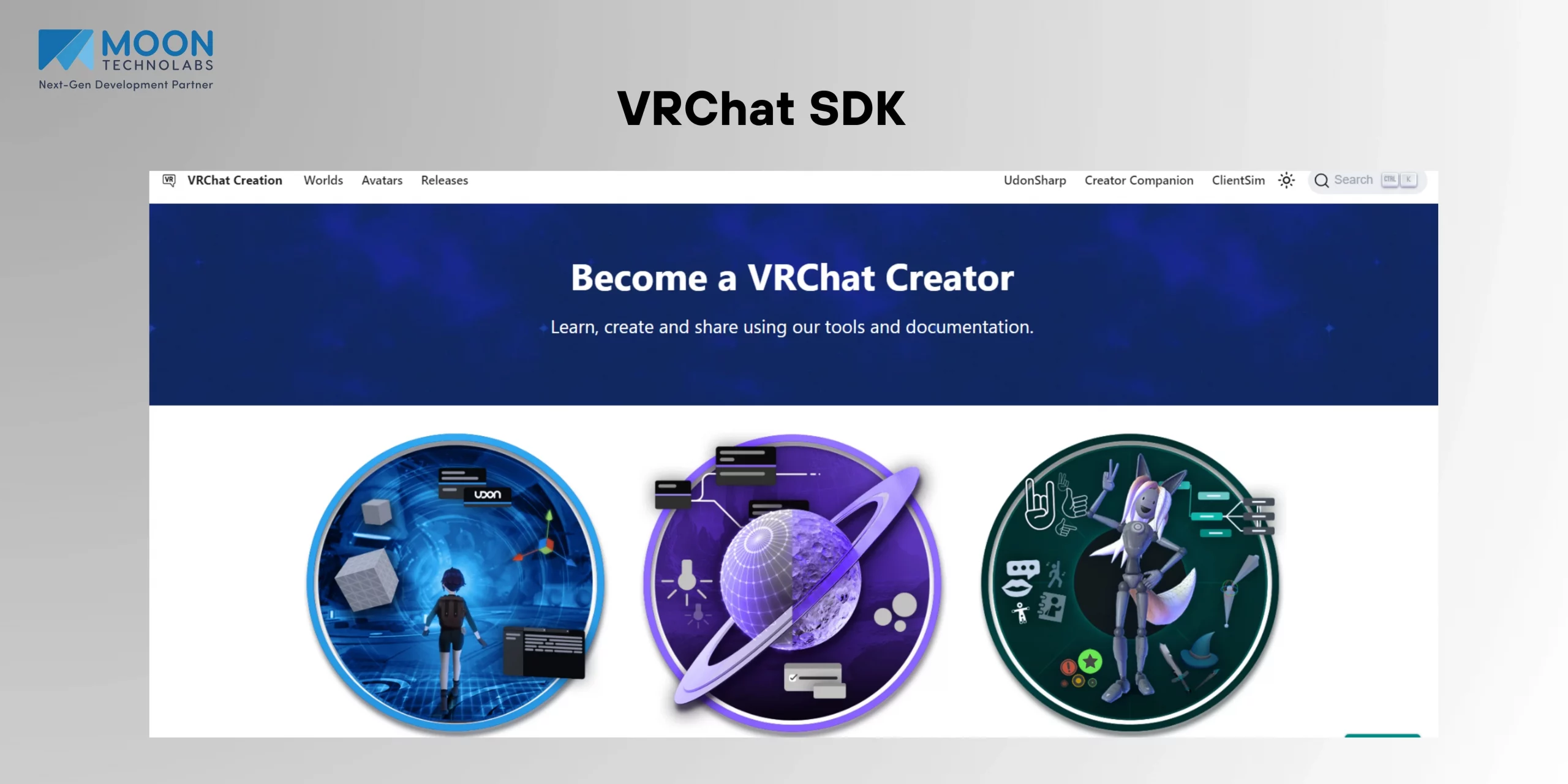
VRChat SDK includes new quality-of-life improvements, easier ways to update and build your content, and UI. It supports new recommended and maximum capacity settings for the real world. This SDK version updates the Newtonsoft package implemented by the Resolver and the Base SDK.
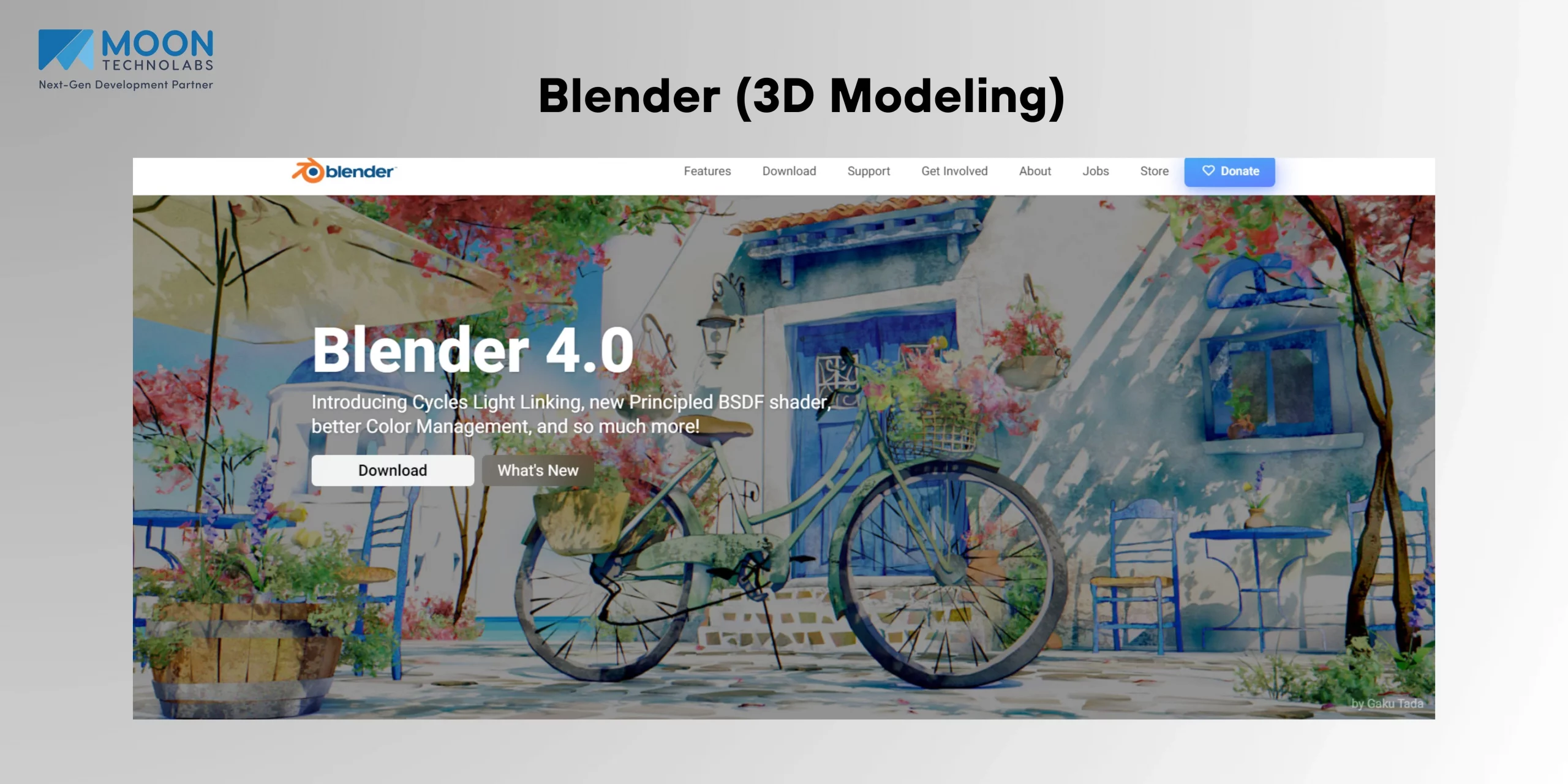
It is a free, open-source creation suite supporting 3D channel rendering, simulation, rigging, video editing, animation, modeling, game creation, and motion tracking. It is famous for its nature, offering an efficient, flexible workflow for creating high-quality 3D assets in the Metaverse.
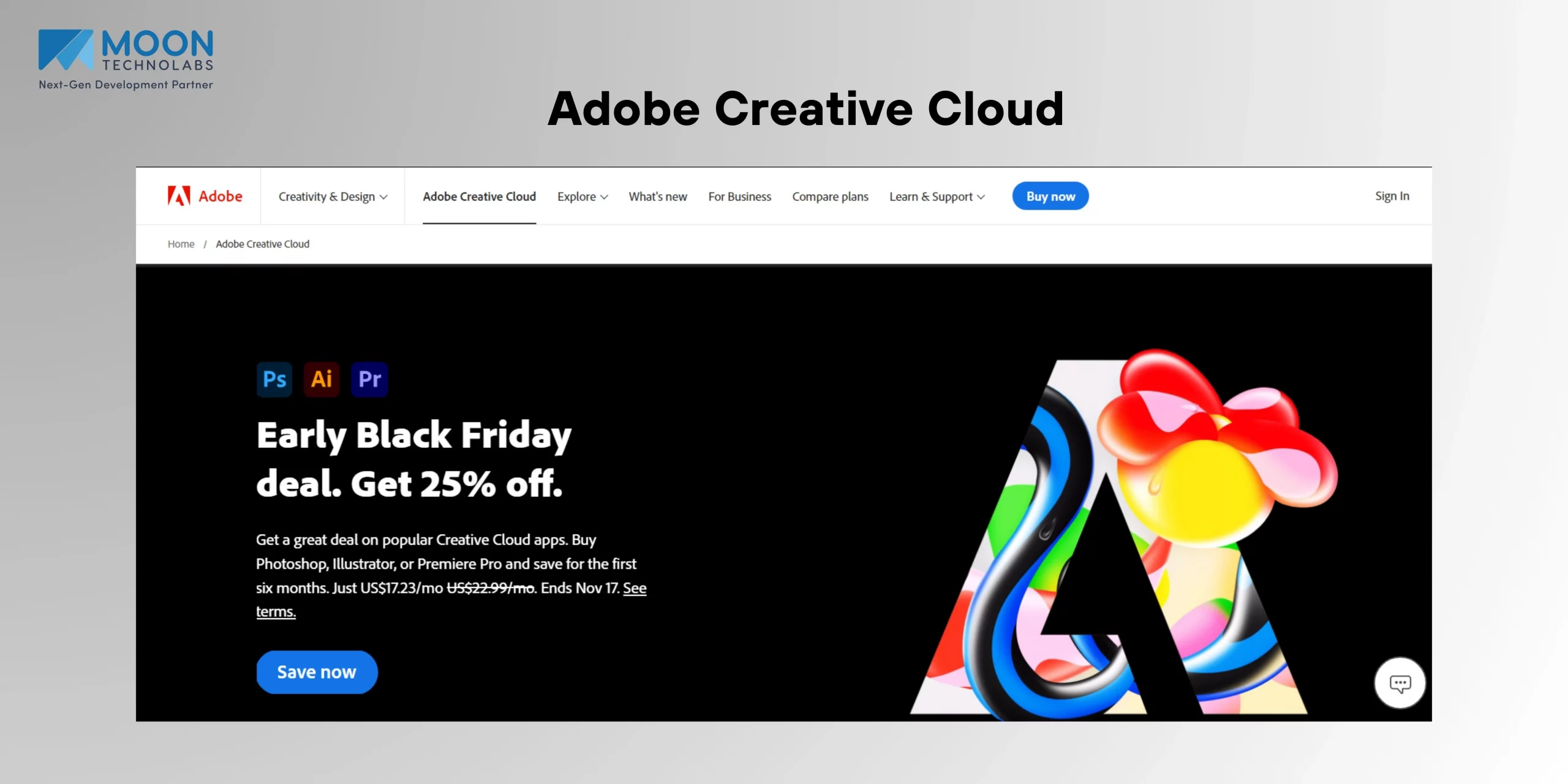
Adobe Creative Cloud is another metaverse technology offering web services, resources, and apps for all creative projects like photography, video editing, painting and drawing, graphic design, UX design, and social media. Content creation acts as a background process, supporting applications that offer dynamic content, including stock templates, filters, and tutorials.
Metaverse technology combines VR and AR to enable multimodal interactions with virtual environments, people, and digital products. It is now time to check out the top technologies for the metaverse environment below:
Previously, people encountered frequent network issues during metaverse development. It is due to sluggish data transmission and rendering speeds, as well as the absence of high-speed internet connectivity. But with the emergence of 5G connectivity, more people can now enjoy the metaverse from their PCs or other devices without network latency.
Edge computing is primarily implemented in business settings and allows rapid data transport with little or no delays. It results in better experiences and allows the metaverse to handle powerful simulations efficiently. Edge computing eliminates lag and ensures users enjoy an uninterrupted, immersive gaming experience.
AI is used in corporate strategic planning, facial recognition, speedy computing, decision-making processes, and many other applications. AI can process large data volumes rapidly. AI, when combined with machine learning, provides unique insights and outputs. You can apply AI to non-playable characters for various contexts in the metaverse.
An AI NPC operates autonomously in numerous languages. AI can create accurate and lifelike metaverse avatars and make the process more organic by matching the avatar’s hairstyle, features, clothing, and facial expressions with those of real individuals.
Blockchain technology for metaverse development enables decentralized, transparent digital ownership evidence, digital collectability, interoperability, accessibility, value transfer, and governance. Blockchain technology can secure and establish ownership in the virtual segments.
Cloud infrastructure is one of the most reputable metaverse technologies due to its scalability. The metaverse can scale its resources as needed, accommodating a large number of users and handling increased traffic.
Now that we’ve covered the top metaverse development tools and technologies in detail, you can check out their best practices below.
Developers implement metaverse tools to create user-centric designs and improve user experiences by crafting more engaging, immersive virtual worlds. The top Metaverse development tools can create enhanced, realistic environments that allow users to engage in virtual experiences fully.
Metaverse development services offer a paradigm shift in how users interact with other participants and with digital content. By promoting inclusivity and accessibility, it offers immense potential to reshape industries and improve communication through virtual meetings. Inclusivity ensures that the metaverse development platform remains accessible to every user, irrespective of their ability or background.
One of the primary ethical considerations includes user privacy. Since the metaverse collects a large amount of information about user preferences and behavior, it is critical to protect user privacy. Thus, it is vital to create transparent guidelines for data collection in the metaverse.
Top metaverse development tools create a virtual shared realm where virtual and physical reality merge. It becomes a digital universe where people interact in real time with AI, VR, AR, and other technologies.
Tools for development foster collaboration among designers, developers, and other stakeholders by providing a unified metaverse development platform. In this scenario, team members can work together in real time by effectively and efficiently implementing tools.
These metaverse tools offer shared workspace for job delegation, collaborative decision-making, and idea sharing. It ultimately results in a more engaging and cohesive metaverse experience.
Top Metaverse development tools offer infinite advantages to individuals and enterprises. With the tools mentioned above, we hope to create a metaverse app that improves efficiency, collaboration, and user experience.
While selecting the top metaverse development tools, examine the specific project requirements. It is evident that, with the introduction of new tools and the ongoing improvement of existing ones, the future of the metaverse is exceptionally bright.
01
02
03
04
05

Jayanti Katariya is the CEO of Moon Technolabs, a fast-growing IT solutions provider, with 18+ years of experience in the industry. Passionate about developing creative apps from a young age, he pursued an engineering degree to further this interest. Under his leadership, Moon Technolabs has helped numerous brands establish their online presence and he has also launched an invoicing software that assists businesses to streamline their financial operations.


Submitting the form below will ensure a prompt response from us.
We refine our expertise to deliver innovative business solutions.





205 N Michigan Avenue, #810, Chicago, 60601, Illinois, United States
13500 Long Is Dr, Pflugerville, TX 78660, USA

C/105 Ganesh Meridian, S.G. Highway, Ahmedabad, GJ 380060


Ayse D.
Co-Founder France
“ I highly recommend Moon Technolabs as the quality of service is wonderful. We have hired this company to develop the product based on some complex & technical issues. We get the best quality services as compared with others in the market. Huge Thanks to Moon Technolabs as the team is always ready to give the solution all time.”

Justin G.
Founder & CEO USA
USA“ Moon Technolabs is a pioneer in the WebRTC based project as they have fixed complicated segments of the module by fulfilling different product lines by providing 24X7 customer support. We really recommended Moon Technolabs as they are able to develop products as per the module deadline and project timeline.”

Flavio S.
Founder & Managing Director Germany
“I am happy to recommend Moon Technolabs for their app development services. They successfully developed apps for me, and I am highly satisfied with the overall outcomes. The development team has swiftly addressed the issues with responsive and effective communication to understand the requirement quickly and actively resolve the back-and-forth problems that arose...”

Jay M.
Founder & CEOUSA“Moon Technolabs is the best company that provides advanced apps and websites development services in the USA and Europe. I am a newbie to develop my app with an external team. I am really happy to work with them as I am not that much mobile apps user. Here, the team and specially the CEO of Moon Technolabs helps me to let me know about the benefits of my app to generate revenue....”


Our Offices
India
C/105 Ganesh Meridian,S.G. Highway, Ahmedabad, GJ 380060USA
205 N Michigan Avenue, #810, Chicago, 60601, Illinois, United StatesContact Information


