


Loop Engineering: A Complete Guide to Building Continuous, Feedback-Driven Software Systems

Artificial Intelligence Team
Last Updated: Aug 27, 2026 Total Views: 83
Table of Content


Blog Summary:
Loop engineering lets teams create, measure, test, and improve products through feedback-based development cycles. In this guide, we will explain it in detail with complete process, benefits, important components, use cases, implementation challenges, and right practices for implementation.
Table of Content
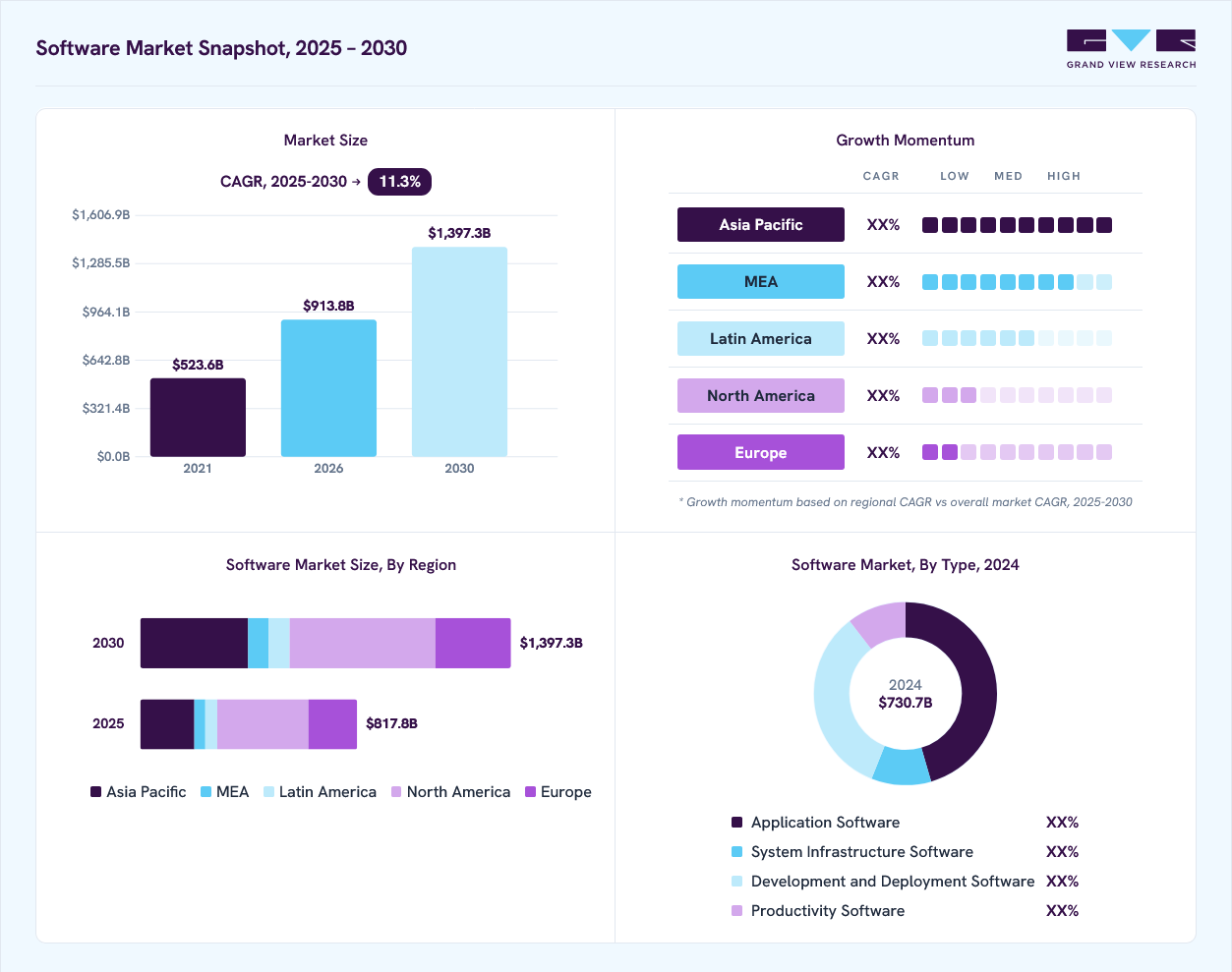
Software developers today face huge pressure to deliver top-quality products while maintaining pace with frequently changing user expectations, fast-growing technology, and emerging market demands. The challenge becomes more severe, especially with the increasing global software market size, which is likely to reach up to $1,397.3 billion by 2030 (Grand View Research).
The traditional software development approach relies exclusively on fixed requirements and a one-time release. This makes it really tough to identify issues, respond fast, and enhance products after launch. Loop engineering mitigates these challenges with continuous cycles of building, learning, testing, and improving software.
It lets businesses boost quality, minimize risks, accelerate enhancements, etc., with the use of performance insights, user feedback, real-world data, testing results, etc. Let’s delve more into loop engineering and its impact on software development.
What is Loop Engineering?
Loop engineering is a process to build a software system that can learn and improve continuously with feedback loops. In this, software development is done through different cycles of testing, monitoring, and adjustment based on real data.
This approach gives the system a liberty to adapt according to changing conditions, evolve, and catch issues early. This makes software more efficient, resilient, and better aligned with the actual user requirements.
Why is Loop Engineering Important in Modern Software Development?
Loop engineering matters a lot in modern software development mainly because it helps in building software that can respond quickly to any changes. Take a look at some other reasons as well:
Faster Feedback and Decision-making
Loop engineering prevents the team from guessing how a feature mainly performs. In this, data comes in fast, and then decisions are made based on facts, rather than any assumptions.
Continuous Product Improvement
Loop engineering doesn’t treat any product as “completed” even after its launch. It, in fact, treats the product as something that evolves. It favors small and steady improvements that make products even stronger with time.
Reduced Development Risks
Loop engineering emphasizes catching issues early before they become expensive. Continuous testing and monitoring help highlight issues even though they are small and easy to manage.
Better Alignment With User Needs
The fact can’t be denied that both user expectations and behaviors shift constantly. With feedback loops, teams often get connected to what users actually want instead of what was assumed users wanted earlier.
Faster Adaptation to Changing Requirements
Whether it’s market conditions, business needs, or technology, they shift fast. A system developed with loop engineering can adjust to changes even without a complete overhaul of everything with any changes.
How Does Loop Engineering Work?
Loop engineering breaks the software development process into different stages. Every stage is connected to the next and creates a loop that learns, repeats, and improves over time. Let’s understand how it works:
Input and Requirement Collection
Every loop starts with information gathering, be it user needs, business objectives, or technical constraints. This is an important step that clarifies what should be changed or built.
Development and Implementation
Once the teams have clear requirements in their mind, they finally build or update the systems. It involves writing the latest code, refining any existing features, or adjusting any system architecture.
Testing and Validation
Testing and validation are conducted before making the software live. The major purpose of testing is to ensure the software works as expected.
Feedback Collection
Once the system finally starts working, real data then starts coming from multiple sources like system logs, users, automated monitoring tools, performance metrics, etc. And this is where the loop gathers the details it requires for the next round.
Analysis and Learning
After collection, feedback is reviewed to understand what works well and what doesn’t. Teams often look for root cause issues, patterns, scope for improvement, and turn raw data into practical insights, etc.
Iteration and Optimization
Those insights are then used for refining the entire system. This might be remodeling a feature, fixing bugs, rethinking an approach completely, etc.
The Loop Engineering Process: 7 Essential Steps
Putting loop engineering into a software development practice is something that means following a repeatable and clear process. It involves several steps that are as follows:
Step 1: Define the Problem and Desired Outcome
You need to be clear about what you are actually solving, what problems need to be fixed, and what success looks like, etc. If you don’t have this clarity, you will end up building something that misses the mark completely.
Step 2: Build the Initial Solution or Prototype
In this step, you need to build a version of the solution that works, though it should not be perfect. The main objective is to get some functions to learn from and test.
Step 3: Test With Real Users or Real-World Data
Now, you can put this working solution in front of real users to test it properly under real operating conditions. This reveals even those problems that are not possible to predict on paper.
Step 4: Collect Performance and User Feedback
Collect data related to the performance of the solutions and also responses of users. This includes various things like error rates, usage patterns, user comments, and many other signals.
Step 5: Analyze Results and Identify Gaps
You can analyze the feedback to know what works better and what falls apart. It’s crucial to look for several recurring issues, missed expectations, and unexpected behavior that require attention.
Step 6: Implement Improvements
You can use these important findings to make various targeted changes. This means refining a workflow, fixing bugs, and adjusting the core approach of a solution based on your learning.
Step 7: Repeat, Measure, and Continuously Optimize
This is the final step that involves sending an improved solution through the loop. You can test it again and again, measure the final results accordingly, and then keep refining it.
Build Smarter Software with Loop Engineering
We help you redefine the entire software development process with loop engineering. Let’s build and improve software continuously.
Key Components of a Successful Loop Engineering System
A robust loop engineering system is not developed on any single practice or tool. It, in fact, depends on various components that work together. The following are some of these components:
Continuous Feedback Loops
At the center of this loop engineering, regular feedback reflects the system. This important feedback lets you understand what works better or also things to be changed.
Automated Testing
Manual testing doesn’t have the ability to keep pace with continuous cycles. Automated tests have the capability of catching bugs and regressions fast while letting teams move quickly without affecting quality.
CI/CD Pipelines
Any continuous CI/CD pipeline enables teams to ship changes quite often and more reliably. They automate the entire process to create, test, and implement updates while keeping the development loop moving smoothly even without any delays due to manual work.
Observability and Monitoring
You will not be able to improve anything that you can’t see. Observability tools can analyze system behavior in real time, which helps teams get complete visibility into errors, performance, usage patterns, etc., as they take place.
Data and Performance Analytics
Raw data alone will not help if you don’t analyze it. You can leverage analytics tools to convert this data into important insights, which allows teams to discover trends and thus make informed decisions in terms of what to resolve or even improve next.
Version Control
Every change is meant to be analyzed and manageable. Version control systems ensure a clear history of updates and thus make it convenient to roll back changes or to know what shifted properly between iterations.
User Feedback Management
A proper system for collecting and organizing users’ feedback ensures real-world input never gets missed. It ensures users’ needs are always presented at the center and front during the entire loop.
Benefits of Loop Engineering
Loop engineering is much more than just a shift in process and delivers measurable & real benefits across the software development lifecycle. We will describe below some other advantages as well:
Faster Time-to-Market
Teams can work with short and regular cycles rather than long development phases. They launch various usable product versions soon and then improve the same over time.
Higher Product Quality
Thorough & constant testing with feedback indicates the problems often get discovered and then fixed early before they become bigger. The end solution becomes more reliable and stable.
Reduced Cost of Rework
When you catch issues early, it can be faster than resolving them once launched properly. A loop engineering minimizes the overall chance of any large-scale and expensive rebuilds.
Continuous Innovation
Since the system is tested and improved on a continuous basis, there’s always experimentation with new ideas on a regular basis rather than waiting for the release of any major versions.
Improved User Experience
Since user feedback shapes the product continuously, it ensures the end solution is more aligned with the needs and expectations of users.
Data-driven Product Decisions
In loop engineering, decisions are made according to user behavior and real performance data, instead of just guesswork or assumptions. It delivers more effective and smart choices.
Greater Development Agility
With loop engineering, teams can respond fast with the changing marketing shifts, requirements, or even any kind of unexpected issues. The major reason is that adaptation is already built into the entire process.
Build Smart Software with Feedback-Based Engineering
We turn your feedback into quality software with an iterative engineering approach that minimizes risks, improves performance, and aligns products with user needs.
Common Use Cases of Loop Engineering
Loop engineering is not applicable to just one type of software; it’s implemented across different product types and industries where continuous improvements become necessary. You can apply it in the following common areas:
SaaS Product Development
SaaS products often flourish with fast interaction and regular updates. Loop engineering enables teams to introduce new features, refine user experience, and fix several issues continuously without affecting services customers rely on.
AI and Machine Learning Systems
AI models require fast and constant fine-tuning and retraining as per new data and performance outcomes. Feedback is also necessary here and ensures the accuracy of models and their relevance as real-world conditions change.
Mobile and Web Applications
As far as user expectations for apps are concerned, they shift fast, and competition also becomes too high. Loop engineering helps teams to gather user feedback, test features, push updates frequently, etc., while keeping apps aligned with needs of users.
Enterprise Software
Large enterprise systems cater to multiple departments with ranges of needs. With continuous feedback, teams can focus on the right improvements and thus avoid any disruptive and costly overhauls by making incremental changes.
DevOps and Platform Engineering
DevOps is developed across continuous deployment, integration, and monitoring, which make it a natural match for loop engineering. Feedback from deployment pipelines and system performance boosts ongoing improvements to process and infrastructure.
IoT and Connected Products
Since IoT devices generate a vast amount of real-world data, loop engineering allows teams to analyze device performance, detect issues remotely, and push updates. They ensure connected products are reliable once they have shipped.
Role of AI in Loop Engineering
AI also has a huge impact on loop engineering. It enables teams to move through feedback cycles fast and with less manual effort. Let’s talk more about the role of AI in software loop engineering:
AI-Assisted Code Generation
AI tools have the potential to generate code snippets, entire modules, functions, etc., according to simple prompts. This speeds up the development process and thus allows the team to create and test ideas faster than ever.
Automated Code Review
Rather than depending exclusively on manual reviews, AI-driven tools can scan code for security vulnerabilities, errors, style issues, etc., in real time. This ensures quality is high while minimizing the time spent on repetitive tasks.
Intelligent Testing and Debugging
AI works effectively in identifying those parts of the code that are most likely to fail. It even suggests various test cases and also highlights the actual reasons for bugs. This ensures the testing and validation step of the loop is fast and accurate.
AI-based Performance Analysis
AI can analyze system performance data to identify anomalies and patterns that can be missed through any manual review. It gives your team a complete picture of how your system actually performs.
Automated Feedback Analysis
AI has the ability to manage vast amounts of user reviews, survey responses, support tickets, etc. It identifies common themes and important priorities fast and thus saves time spent on manual work.
AI Agents for Iterative Development
AI agents have the capability of handling a complete portion of the iteration process, including running tests, writing code, and implementing fixes as per user feedback. They do it with less human intervention.
Challenges in Implementing Loop Engineering
Implementing loop engineering in the software development process involves a lot of challenges as well. Knowing each challenge and solving them properly helps you make your transition smooth. Let’s go through each challenge below:
Poor-quality Feedback
Small and inconsistent feedback with a short sample size often creates several issues for the team. It leads them in the wrong direction.
Solution: You need to use different data sources and clear metrics to ensure decisions are based on representative information.
Excessive Iteration
There’s a higher possibility of over-iteration. It causes revamping a feature endlessly even without important progress, which finally wastes time and hinders delivery.
Solution: Make sure you have complete boundaries for every interaction cycle with a fixed timeframe and defined objectives. It keeps loops focused instead of open-ended.
Lack of Clear Success Metrics
It’s certainly tough to understand whether any iteration improves anything, especially without useful metrics.
Solution: All you need to do is to establish measurable KPIs upfront for every loop, tied to user outcomes or business, instead of just technical output.
Integration With Legacy Workflows
When it comes to fixed workflows and older systems, they often have difficulty supporting the flexibility that engineering needs.
Solution: You can implement several practices related to loop engineering gradually. Always start small with less important components before you expand to important systems.
Managing Technical Debt
When you move fast, continuous cycles often cause shortcuts that create technical debt over time.
Solution: You need to always build dedicated time into every cycle for cleanup and refactoring.
Maintaining Security and Governance
Frequent changes make it really tough to maintain perfect security standards and also compliance controls.
Solution: You need to always embed government policies and automated security checks into the CI/CD pipeline. It ensures every iteration gets validated even before deployment.
Best Practices for Successful Loop Engineering
To get maximum advantages of loop engineering, you need to implement the important practices consistently. Some of these practices are as follows:
Define Measurable Outcomes
Before initiating any loop, you need to be fully clear about what success actually looks like. A measurable objective makes it convenient to determine whether an iteration works genuinely.
Keep Feedback Loops Short
You need to always keep the feedback loop short, which allows teams to learn and adjust fast. Quite the contrary, a long delay in learning always makes it tough to course-correct fast.
Automate Testing and Deployment
When it comes to manual processes, they always slow everything down and also leave room for error. It’s a good idea to automate the testing process, and deployment ensures the loop moves fast while maintaining both quality and consistency.
You Might Also Like:
Manual Testing vs Automated Testing: Key Differences & Best Practices
Prioritize High-impact Feedback
You need to understand that not every piece of feedback gets equal attention. So, you need to focus on those suggestions and issues that have a vast impact on business outcomes.
Monitor Product Performance Continuously
You should never wait for any scheduled reviews to analyze how things perform. You can, in fact, catch issues early through continuous monitoring and thus keep the team informed in real time.
Maintain Human Oversight for AI-generated Changes
Since AI is taking over development work fast-paced, human review still matters a lot. People should always validate AI-based changes to discover errors and ensure decisions align better with business objectives.
Document Learnings Across Iterations
Every loop brings certain important lessons. You need to maintain a clear record of what works and what doesn’t, as well as why; it helps the team avoid repeating the same mistakes in future cycles.
How Does Moon Technolabs Help Businesses Implement Loop Engineering?
We help businesses create feedback-based software systems, right from scratch. With us, you get assistance to automate testing, CI/CD pipelines, and real-time monitoring tailored to match your product.
Whether it’s integrating AI-assisted development tools, defining the right metrics, or creating sustainable feedback loops, we are committed to assisting you with everything. We help you build SaaS platforms and modernize your enterprise software. We serve you in the following ways:
- Build and test software with iterative development cycles.
- Automate deployment and testing with CI/CD pipelines
- Monitor app performance and gather actionable feedback.
- Use AI and analytics to check issues and increase opportunities.
- Make legacy systems more advanced with agile development workflows.
Conclusion
Loop engineering makes software development into a continuous cycle of building, learning, testing, and improving. Meanwhile, its implementation requires proper planning and adequate expertise to carry out the entire process in a better way and maximize its chance to succeed.
Partner with us to implement feedback-based development practices and build impeccable software that evolves with your core needs consistently.
FAQs
01
How is loop engineering different from agile development?
Loop engineering focuses on learning with repeated build-measure-learn cycles. On the other hand, Agile focuses mainly on collaborative, iterative delivery and also adapts requirements through feedback and structured sprints.02
What types of software projects benefit most from loop engineering?
There are many software projects that often benefit from loop engineering. These mainly include SaaS platforms, AI applications, mobile apps, etc.03
How does AI improve the loop engineering process?
AI enhances loop engineering by identifying patterns, analyzing feedback, predicting issues, automating repetitive tasks, etc. This helps teams make decisions fast.04
Which tools are commonly used for loop engineering?
Some of the common loop engineering tools include Jenkins, Jira, GitHub, GitLab, Kubernetes, and more.05
How can businesses measure the success of loop engineering?
Businesses can determine loop engineering success in several ways, such as improved product quality, shorter development cycles, reduced costs, faster feedback integrations, higher user satisfaction, etc.




Explore the latest insights on Artificial Intelligence, including Generative AI, Agentic AI, natural language processing, computer vision, automation, and enterprise AI solutions. This category covers industry trends, practical applications, implementation strategies, and innovations that help businesses leverage AI for smarter decision-making and digital transformation. Stay updated with evolving AI technologies that are reshaping industries worldwide.
Submitting the form below will ensure a prompt response from us.
We refine our expertise to deliver innovative business solutions.





205 N Michigan Avenue, #810, Chicago, 60601, Illinois, United States
13500 Long Is Dr, Pflugerville, TX 78660, USA

C/105 Ganesh Meridian, S.G. Highway, Ahmedabad, GJ 380060


Ayse D.
Co-Founder France
“ I highly recommend Moon Technolabs as the quality of service is wonderful. We have hired this company to develop the product based on some complex & technical issues. We get the best quality services as compared with others in the market. Huge Thanks to Moon Technolabs as the team is always ready to give the solution all time.”

Justin G.
Founder & CEO USA
USA“ Moon Technolabs is a pioneer in the WebRTC based project as they have fixed complicated segments of the module by fulfilling different product lines by providing 24X7 customer support. We really recommended Moon Technolabs as they are able to develop products as per the module deadline and project timeline.”

Flavio S.
Founder & Managing Director Germany
“I am happy to recommend Moon Technolabs for their app development services. They successfully developed apps for me, and I am highly satisfied with the overall outcomes. The development team has swiftly addressed the issues with responsive and effective communication to understand the requirement quickly and actively resolve the back-and-forth problems that arose...”

Jay M.
Founder & CEOUSA“Moon Technolabs is the best company that provides advanced apps and websites development services in the USA and Europe. I am a newbie to develop my app with an external team. I am really happy to work with them as I am not that much mobile apps user. Here, the team and specially the CEO of Moon Technolabs helps me to let me know about the benefits of my app to generate revenue....”


Our Offices
India
C/105 Ganesh Meridian,S.G. Highway, Ahmedabad, GJ 380060USA
205 N Michigan Avenue, #810, Chicago, 60601, Illinois, United StatesContact Information


