


HIPAA Compliant Chatbot: A Complete Guide for Healthcare Businesses

Artificial Intelligence Team
Last Updated: Nov 13, 2026 Total Views: 83
Table of Content


Blog Summary:
Choosing the right HIPAA compliant chatbot involves more than automating patient conversations. Healthcare businesses need to consider data security, privacy safeguards, system integrations, and regulatory requirements. This guide highlights what makes a chatbot suitable for healthcare environments and what organizations should evaluate before investing in its development.
Table of Content
Managing patient calls, appointment requests, follow-ups, and routine healthcare inquiries can put considerable pressure on administrative teams. AI chatbots can handle these repetitive interactions faster, but using them in healthcare comes with an important responsibility: protecting patient health information (PHI). A chatbot that interacts with sensitive medical data must be built with appropriate privacy and security safeguards.
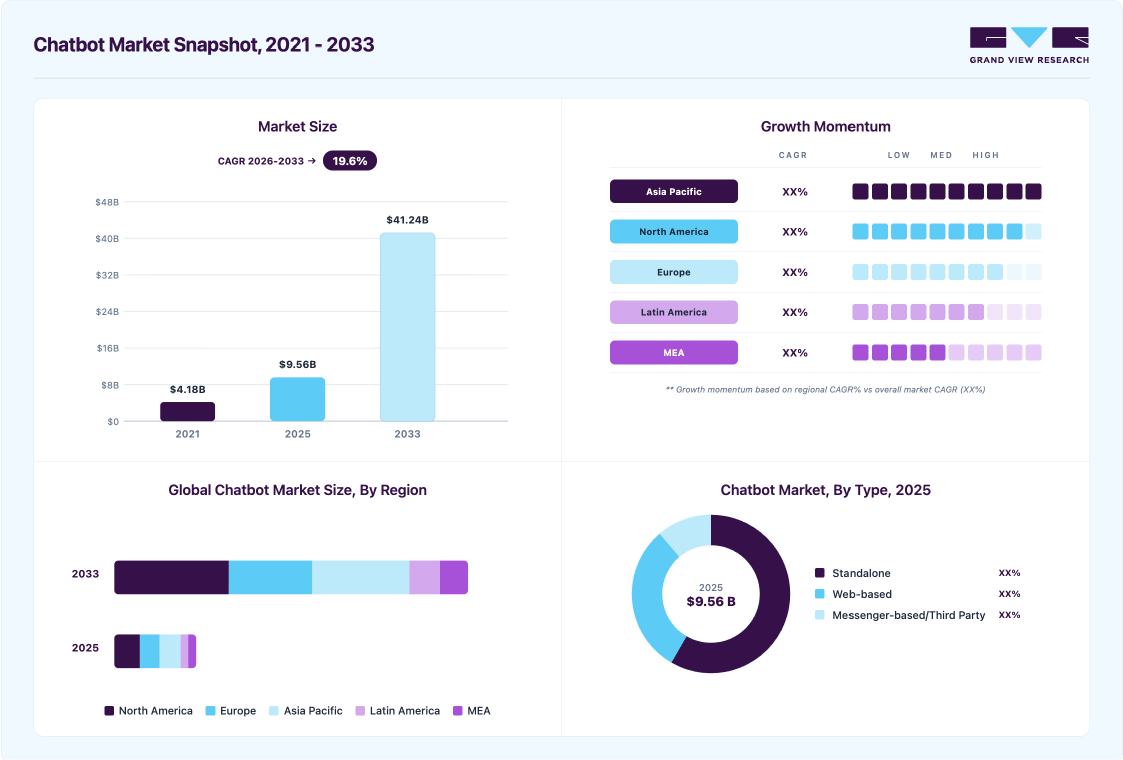
According to Grand View Research, the global chatbot market was valued at USD 9.6 billion in 2025. It is expected to reach USD 11.8 billion in 2026 and grow to USD 41.2 billion by 2033, registering a CAGR of 19.6% during the forecast period (2026–2033).
Similarly, a Medical Group Management Association national practice poll found that 19% of medical group practices have integrated AI chatbots or virtual assistants for direct patient communication, including appointment scheduling and triage.
For healthcare businesses considering chatbot adoption, understanding HIPAA requirements is essential. This guide covers how HIPAA-compliant chatbots work, their key features, practical healthcare use cases, benefits, and development costs.
What is a HIPAA Compliant Chatbot?
A HIPAA-compliant chatbot is an AI-powered or rule-based conversational tool that helps healthcare organizations communicate with patients while protecting sensitive health information (PHI). It can handle patient inquiries, schedule appointments, share healthcare information, and automate routine interactions through secure communication channels.
Unlike regular chatbots, these solutions incorporate safeguards such as data encryption, access controls, audit logs, and secure data handling to support HIPAA compliance. They also help healthcare organizations manage patient conversations responsibly while maintaining privacy and confidentiality.
How Does a HIPAA Compliant Chatbot Work?
A HIPAA-compliant AI chatbot interacts with patients through websites, mobile applications, or messaging platforms. When a patient submits a query, the chatbot processes the request and provides relevant responses, such as appointment details, prescription information, or answers to common healthcare questions.
When handling sensitive patient information, the chatbot uses security measures such as encryption, authentication, and access controls to prevent unauthorized access. It can also connect with EHR and EMR systems to retrieve or update relevant patient information through secure integrations.
Every interaction involving protected health information is managed according to configured privacy and security policies. Features such as audit logs, user permissions, and data retention controls help healthcare organizations monitor chatbot activity and maintain appropriate safeguards for patient information.
Why is HIPAA Compliance Important for Healthcare Chatbots?
HIPAA compliance is essential for healthcare chatbots because they handle sensitive patient information, including medical histories, prescriptions, personal details, and treatment records.
Without proper safeguards, this data can be exposed to unauthorized access or misuse. Implementing HIPAA-compliant chatbots helps healthcare organizations protect patient privacy, meet regulatory requirements, and build trust while automating patient communication.
Why HIPAA Compliance Matters for Healthcare Chatbots?
- Protects Patient Privacy: Keeps sensitive health information secure during chatbot interactions.
- Prevents Data Breaches: Uses security measures to reduce the risk of unauthorized access and information exposure.
- Builds Patient Trust: Reassures patients that their personal and medical information is handled responsibly.
- Supports Regulatory Compliance: Helps healthcare organizations meet applicable HIPAA privacy and security requirements.
- Ensures Secure Communication: Protects patient conversations across digital healthcare platforms.
- Reduces Compliance Risks: Helps organizations avoid potential legal, financial, and reputational consequences of HIPAA violations.
Healthcare organizations should also consider HIPAA compliance when building digital health solutions. Read our guide on HIPAA compliance app development to understand the security measures and development practices used to protect patient information.
Protect patient information while automating healthcare communication with a chatbot tailored to your organization’s security and operational needs.
Key Features of a HIPAA Compliant Chatbot
A HIPAA-compliant chatbot should include essential security and data management capabilities to protect patient information and support healthcare workflows. Here are the key features to look for:
Secure Patient Data Management
A HIPAA-compliant chatbot protects sensitive patient information through encryption, secure data storage, and controlled access. It ensures that conversations containing medical histories, personal details, and treatment information are handled securely throughout collection, processing, and storage.
Audit Logs and Activity Monitoring
Audit logs record chatbot interactions, data access, and administrative activities. Healthcare organizations can use these records to track who accessed patient information, identify unusual activity, investigate potential security incidents, and maintain accountability across their systems.
Business Associate Agreement (BAA) Support
A signed BAA establishes chatbot vendors’ responsibilities when handling PHI on behalf of healthcare organizations. It outlines requirements for data protection, breach reporting, permitted data usage, and compliance with applicable HIPAA obligations.
Secure EHR and EMR Integration
Integration with Electronic Health Records (EHR) and Electronic Medical Records (EMR) systems allows chatbots to exchange patient information with existing healthcare platforms. Secure integrations help streamline access to relevant records, reduce duplicate data entry, and support coordinated patient communication. Our HealthyFlux EHR integration project shows how these integrations can support smoother clinical data exchange and healthcare workflows.
Data Retention and Access Management
Healthcare organizations need control over how long patient information is stored and who can access it. Chatbots should support configurable retention policies, role-based permissions, and secure data deletion to help organizations manage sensitive information responsibly and meet applicable compliance requirements.
Benefits of HIPAA Compliant Chatbots for Healthcare Organizations
HIPAA-compliant chatbots offer more than secure patient communication. They help healthcare organizations simplify daily operations, reduce staff workload, and improve patient interactions. Here are the key benefits:
Improved Patient Engagement
Patients often need quick answers about appointments, prescriptions, test results, or post-treatment instructions. HIPAA-compliant chatbots make these interactions easier by offering personalized, timely responses through familiar messaging channels. This keeps patients informed, encourages follow-ups, and helps healthcare providers maintain consistent communication beyond consultations.
24/7 Patient Assistance
Patients don’t always have questions during office hours. Whether someone needs help understanding pre-appointment instructions, checking clinic timings, or accessing general care information, chatbots provide around-the-clock support. This reduces waiting time for basic information and ensures patients aren’t dependent on staff availability.
Reduced Administrative Workload
From handling appointment requests to collecting patient details and sending follow-up reminders, administrative teams spend considerable time on repetitive tasks. HIPAA-compliant chatbots handle these routine interactions, reducing phone calls and manual data entry so staff can focus on patient coordination and essential responsibilities.
Better Protection of Patient Information
Healthcare conversations often involve sensitive details, including medical histories, prescriptions, and personal information. HIPAA-compliant chatbots include safeguards such as encryption, access restrictions, and audit controls to support secure communication and protect patient data from unauthorized access or improper disclosure.
Improved Operational Efficiency
Managing patient inquiries across calls, emails, and front-desk interactions can slow down healthcare operations. Chatbots bring routine communication into one automated channel, helping teams handle common requests faster, maintain consistent responses, and reduce operational bottlenecks without increasing administrative staffing requirements.
You May Also Like:
Top 10 HIPAA Compliant Text Messaging Apps CTOs Should Be Aware Of
Top Use Cases of HIPAA Compliant Chatbots in Healthcare
HIPAA-compliant chatbots can support various patient-facing and administrative activities across healthcare settings. Here are some practical use cases where healthcare organizations can put them to work:
Patient Appointment Scheduling
Patients can use chatbots to check available appointment slots, book consultations, reschedule visits, or cancel existing appointments without calling the clinic. The chatbot can also collect basic details, confirm bookings, and send appointment updates, reducing front-desk workload and making the scheduling process more convenient.
Patient Support
Healthcare chatbots act as a first point of contact for patients seeking information about clinic services, treatment procedures, visiting hours, or post-consultation instructions. They provide consistent answers to common questions, help patients navigate healthcare services, and direct complex concerns to the appropriate medical staff.
Symptom Assessment and Patient Triage
Patients can describe their symptoms through a chatbot and receive preliminary guidance based on predefined clinical protocols. The chatbot can identify potential warning signs, recommend appropriate levels of care, and direct urgent cases to healthcare professionals. It supports initial triage but does not replace clinical diagnosis.
Medication and Appointment Reminders
Missed medication doses or forgotten follow-up appointments can disrupt treatment continuity. HIPAA-compliant chatbots send automated medication alerts, prescription refill reminders, and appointment notifications. Patients can also receive preparation instructions before scheduled procedures, helping them stay on track with their treatment plans.
Insurance and Billing Assistance
Understanding insurance coverage, medical bills, and payment procedures can be challenging. Chatbots simplify these interactions by answering questions about accepted insurance plans, explaining billing processes, sharing payment information, and guiding patients through claim-related inquiries while protecting sensitive financial and healthcare information.
Patient Intake and Information Collection
Instead of completing lengthy paperwork at the reception desk, patients can share their personal details, medical history, current medications, allergies, and insurance information through a secure chatbot. This information helps healthcare teams prepare before consultations, reduce manual data entry, and streamline patient registration.
HIPAA Compliant Chatbot vs Regular Healthcare Chatbot
Not all healthcare chatbots are designed to handle sensitive patient information. Understanding the differences between HIPAA-compliant and regular healthcare chatbots can help organizations choose a solution that meets their privacy, security, and operational requirements:
| Comparison Factors | HIPAA-Compliant Chatbot | Regular Healthcare Chatbot |
|---|---|---|
| Data Security | Uses safeguards such as encryption and access controls to protect patient information. | May have basic security measures without healthcare-specific protections. |
| Patient Security | Designed to handle PHI securely. | May not have adequate safeguards for sensitive patient data. |
| Regulatory Compliance | Supports compliance with applicable HIPAA requirements. | Not necessarily designed to meet HIPAA requirements. |
| Data Encryption | Supports encryption for protecting sensitive data during transmission and storage. | Encryption practices may vary by provider. |
| Access Control | Provides role-based access and user authentication. | May offer limited access management features. |
| Audit Logs | Maintains activity records to monitor access and data-related actions. | May have limited or no audit-tracking capabilities. |
| EHR/EMR Integration | Supports secure integration with healthcare record systems. | May offer integrations without healthcare-specific security safeguards. |
| BAA Support | Requires appropriate Business Associate Agreements when vendors handle PHI on behalf of covered entities. | May not offer BAA support. |
| Data Management | Supports controlled data retention, access, and deletion policies. | Data retention and deletion practices may vary. |
| Healthcare Use | Suitable for patient interactions involving PHI when properly configured and implemented. | Better suited to general inquiries that do not involve PHI. |
Common Challenges in HIPAA Compliant Chatbot Development
Building a HIPAA-compliant chatbot involves more than adding security features. Healthcare businesses must address several technical and regulatory challenges to protect patient information and ensure reliable chatbot performance. Here are the common challenges to consider:
Patient Data Protection
Protecting sensitive patient information is one of the biggest challenges in chatbot development. Developers must implement strong encryption, secure authentication, access controls, and data storage practices to prevent unauthorized access, data breaches, and exposure of Protected Health Information (PHI).
Third-party Vendor Management
HIPAA-compliant chatbots often rely on third-party AI platforms, cloud providers, and software services. Ensuring these vendors follow HIPAA requirements, sign Business Associate Agreements (BAAs), and maintain appropriate security safeguards is essential to protecting patient information.
Healthcare System Integration
Integrating chatbots with existing Electronic Health Record (EHR), Electronic Medical Record (EMR), and hospital management systems can be technically complex. Developers must ensure secure data exchange, system compatibility, and reliable communication through standards such as HL7 and FHIR.
AI Response Accuracy
AI chatbots must provide accurate, relevant, and medically appropriate responses to patient queries. Incorrect or misleading information can create healthcare risks. Regular model testing, validated medical content, human oversight, and clear escalation procedures help improve response reliability.
Ongoing HIPAA Compliance
Maintaining HIPAA compliance requires continuous monitoring, not a one-time implementation. Healthcare organizations must conduct regular risk assessments, security audits, access reviews, software updates, and employee training to address emerging threats and evolving regulatory requirements.
How Much Does HIPAA Compliant Chatbot Development Cost?
HIPAA-compliant chatbot costs typically range from $15,000 to $200,000+, depending on functionality, complexity, security requirements, and integration needs. A basic chatbot designed for patient inquiries and appointment scheduling costs less. In contrast, an advanced AI-powered solution with EHR/EMR integration, patient triage, and automated clinical workflows requires a higher investment.
Estimated HIPAA-Compliant Chatbot Development Cost
| Chatbot Type | Estimated Development Cost |
|---|---|
| Basic Healthcare Chatbot | $15,000–$30,000 |
| AI-Powered Patient Support Chatbot | $30,000–$70,000 |
| EHR/EMR-Integrated Chatbot | $40,000–$110,000 |
| Advanced Healthcare AI Chatbot | $80,000–$170,000 |
| Enterprise-Level Healthcare Chatbot | $170,000–$200,000+ |
Partner with Moon Technolabs to build secure, scalable chatbots that support patient engagement and streamline everyday healthcare operations.
How Moon Technolabs Helps Build Secure Healthcare Chatbots?
Moon Technolabs helps healthcare organizations build secure, scalable, and feature-rich chatbots tailored to their patient communication needs. From appointment scheduling and patient support to automated reminders and information collection, we develop solutions that simplify healthcare interactions while prioritizing patient data privacy.
Our development approach integrates essential security measures, including data encryption, access controls, secure API connections, and audit logging. We also help businesses connect chatbots with existing EHR/EMR systems and healthcare platforms to streamline workflows and manage patient information securely.
As an experienced healthcare software development company, Moon Technolabs combines healthcare technology expertise with custom AI development to create chatbot solutions aligned with organizational requirements. We deliver reliable digital experiences that improve patient engagement, reduce administrative workloads, and support secure healthcare communication.
Conclusion
HIPAA-compliant chatbots do more than answer patient queries. They help healthcare organizations manage appointments, handle routine requests, reduce administrative pressure, and protect sensitive patient conversations. The right solution brings these capabilities together without compromising patient privacy.
Moon Technolabs offers AI chatbot development services to help healthcare businesses build customized chatbot solutions with secure integrations and workflow automation, tailored to their operational requirements and patient communication needs.
FAQs
01
Can AI chatbots be HIPAA compliant?
Yes, AI chatbots can be HIPAA-compliant when designed with appropriate safeguards, including data encryption, access controls, audit logs, and secure data storage. They must also protect Protected Health Information (PHI) and follow applicable HIPAA Privacy and Security Rules.02
Does a HIPAA-compliant chatbot require a BAA?
Yes, a Business Associate Agreement (BAA) is generally required when a chatbot provider handles Protected Health Information on behalf of a covered entity. The agreement defines responsibilities for safeguarding patient data and maintaining HIPAA compliance.03
Can HIPAA-compliant chatbots integrate with EHR systems?
Indeed, HIPAA-compliant chatbots can integrate with Electronic Health Record (EHR) systems using secure APIs and standards such as HL7 and FHIR. These integrations enable patient data retrieval, appointment scheduling, clinical workflows, and automated documentation while protecting sensitive health information.04
How much does it cost to build a HIPAA-compliant chatbot?
Building a HIPAA-compliant chatbot typically costs $15,000–$200,000 or more, depending on complexity, AI capabilities, EHR integrations, security requirements, and customization. Ongoing expenses include hosting, maintenance, security audits, compliance monitoring, and infrastructure upgrades.



Explore the latest insights on Artificial Intelligence, including Generative AI, Agentic AI, natural language processing, computer vision, automation, and enterprise AI solutions. This category covers industry trends, practical applications, implementation strategies, and innovations that help businesses leverage AI for smarter decision-making and digital transformation. Stay updated with evolving AI technologies that are reshaping industries worldwide.
Submitting the form below will ensure a prompt response from us.
We refine our expertise to deliver innovative business solutions.



205 N Michigan Avenue, #810, Chicago, 60601, Illinois, United States
13500 Long Is Dr, Pflugerville, TX 78660, USA

C/105 Ganesh Meridian, S.G. Highway, Ahmedabad, GJ 380060




Ayse D.
Co-Founder France
“ I highly recommend Moon Technolabs as the quality of service is wonderful. We have hired this company to develop the product based on some complex & technical issues. We get the best quality services as compared with others in the market. Huge Thanks to Moon Technolabs as the team is always ready to give the solution all time.”

Justin G.
Founder & CEO USA
“ Moon Technolabs is a pioneer in the WebRTC based project as they have fixed complicated segments of the module by fulfilling different product lines by providing 24X7 customer support. We really recommended Moon Technolabs as they are able to develop products as per the module deadline and project timeline.”

Flavio S.
Founder & Managing Director Germany
“I am happy to recommend Moon Technolabs for their app development services. They successfully developed apps for me, and I am highly satisfied with the overall outcomes. The development team has swiftly addressed the issues with responsive and effective communication to understand the requirement quickly and actively resolve the back-and-forth problems that arose...”

Jay M.
Founder & CEOUSA“Moon Technolabs is the best company that provides advanced apps and websites development services in the USA and Europe. I am a newbie to develop my app with an external team. I am really happy to work with them as I am not that much mobile apps user. Here, the team and specially the CEO of Moon Technolabs helps me to let me know about the benefits of my app to generate revenue....”


Our Offices
India
C/105 Ganesh Meridian,S.G. Highway, Ahmedabad, GJ 380060USA
205 N Michigan Avenue, #810, Chicago, 60601, Illinois, United StatesContact Information


